Money can buy a little happiness. Just not the kind you get from tossing random purchases into your cart and hoping they fix your mood.
Most of us have tried it. A new gadget. A bigger screen. Takeout again. It feels good for a minute, then life snaps back. Bills still exist. Stress still follows you into Monday.
But money does have power when you aim it at the right targets. The best spending does one of three things. It gives you time back, pulls you closer to people who matter, or helps you feel stronger in your own life.
Buy Back Your Time, Not More Stuff
A week can feel fine until it doesn’t. One late meeting. One traffic jam. One sink full of dishes that greets you at night. Then your brain starts running a loud loop. You feel behind before you even start.
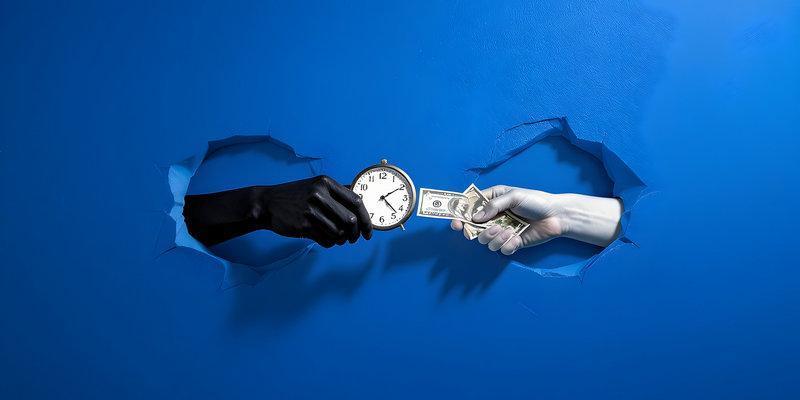
Time is the one thing you cannot restock. That is why time-saving spending hits different. It is not about being fancy. It is about removing the tasks that drain you and steal your focus.
Start with the pain you feel every single week. Grocery runs. Cleaning. Laundry. Commuting. Meal prep. Pick one. Pay to shrink it. Use delivery once. Hire a cleaner once a month. Try a wash-and-fold service.
The goal is not to “buy convenience” in general. The goal is to buy relief in one specific place. Then you use that saved time for rest, family, or a walk that clears your head. That is where the happiness shows up.
Turn Ordinary Days Into Something You Look Forward To
Most days are not big days. They are work, errands, and messages you answer too fast. Then you blink and the week is gone. Happiness gets pushed into the “someday” pile, right next to that vacation you keep delaying.
Small joy beats rare joy. A tiny plan can change the feel of a normal Tuesday. Not because it is expensive. Because it gives your day a bright spot you can see coming.
Think in rituals, not splurges. A weekly coffee you drink slowly. A fresh pastry on Friday morning. A new library book and a quiet hour. A simple ingredient that turns dinner into a treat, like good bread or a better sauce.
Set one limit and keep it steady. When the treat is small and repeatable, it becomes part of your life. It also stays guilt-free. You are not chasing a high. You are building a rhythm that lifts you.
Spend On Relationships That Fill Your Cup

You can buy a lot of things. None of them will laugh with you at the right moment. None of them will check on you when you have a rough week. People do that. And the right moments with the right people can reset your whole mood.
Relationship spending works when it creates time together. Not when it tries to impress. You do not need a fancy place. You need presence and a plan that makes it easy to show up.
Pay for shared experiences that fit your world. Host a simple dinner at home. Bring dessert to a friend’s place. Split a day trip. Cover a movie night. Buy the ingredients for a meal you cook together.
Even small spending can carry a lot of warmth. A thoughtful gift that shows you listened. A ride share so you can meet up without stress. A babysitter so you and your partner can talk like adults again. That is money doing real work.
Pay For Progress: Skills, Health, And Confidence
Some purchases feel good once. Others keep paying you back. The difference is progress. When money helps you grow a skill, protect your body, or build confidence, the happiness lasts. You are not buying a thing. You are buying a better version of your week.
Think about what keeps tripping you up. Low energy. Poor sleep. Back pain. Social anxiety. A job skill you keep avoiding. Pick one problem you are tired of carrying. Then spend in a way that makes action easier.
This could be a class that teaches a real skill. A few sessions with a coach or trainer. A gym membership you actually use. Therapy that helps you handle stress without spiraling. A basic health check you keep postponing.
Also, look at “quiet upgrades” that support your body. Better pillows. Blackout curtains. A water filter. A pair of shoes that stops foot pain. These are not exciting purchases. They are the kind that make you feel better every day.
Progress spending works best when it creates a system. Set a schedule. Block a time. Prepare the space. Then your purchase has a job to do. And you feel it each week when things get a little easier.
Make Your Happiness Spending Actually Work
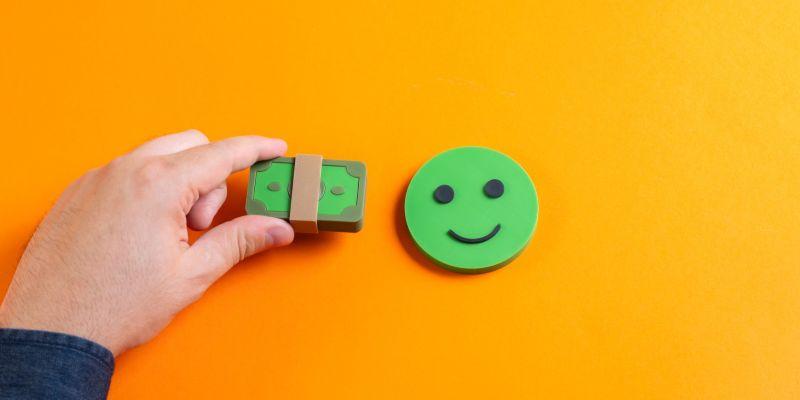
Happiness spending fails when it is random. It works when it follows a clear filter. Ask one question before you swipe your card. Will this give me time back, bring me closer to someone, or help me feel stronger in my life?
Now add one guardrail. Create a monthly “happiness budget.” It can be small. It just needs to be real. When you name the amount, you stop guessing. You also stop stealing from bills or savings to chase a quick mood lift.
Here is a simple split to try. Put half toward time-saving help. Put a quarter toward connection. Put the rest toward progress or small rituals. If your budget is $100, that could be $50 for delivery once, $25 for a shared meal, and $25 for a class or health upgrade.
You are not aiming for perfection. You are aiming for repeatable wins. When spending supports your life on purpose, you feel the payoff without the regret.
Spend Like You Mean It
You do not need to spend more to feel better. You need to spend with intent. Random upgrades fade fast. Targeted spending changes how your days feel. It gives you breathing room. It gives you moments that matter. It builds the kind of confidence that sticks.
Pick one of the four paths and test it this week. Buy back one hour. Plan one small ritual. Invest in one connection. Support one area of progress. Keep it small and specific.
Then notice what happens. Your mood lifts sooner. Your stress drops faster. You feel more in control of your time and your energy. That is the point.
Money is not the source of happiness. It is a tool. When you use it to support your real life, it can buy you a little more joy than you expected.