Planning a Yellowstone and Glacier road trip looks simple on a map. Two parks, one stretch of highway, and wide open country between them. In practice, this trip tests timing, patience, and daily decision making. Lodging books out months ahead, road construction shifts weekly, and wildlife traffic slows travel more than forecast apps suggest. Summer crowds behave differently from spring travelers, and shoulder season brings tradeoffs that surprise many planners. Fuel stops, grocery access, and park entry timing shape each day. A grounded plan keeps expectations steady and avoids rushed days. This route works best with breathing room built into every segment.
Route Planning and Timing Between the Parks
The drive between Yellowstone and Glacier covers fewer miles than many expect, yet it often takes longer than planned. Road conditions change quickly, especially during the Montana construction season from June through early September. A recurring issue involves travelers stacking long sightseeing mornings with ambitious drive afternoons. Wildlife jams near Mammoth or Tower can stall exits for an hour or more. That delay pushes arrival times late and stresses check in windows. Setting aside a dedicated transfer day solves this problem and lowers fatigue.
Towns along the route serve practical roles beyond lodging. Places like Dillon, Butte, and Helena offer grocery stores, pharmacies, and tire services that disappear closer to park boundaries. Weekend events or college schedules tighten hotel supply in these towns without much warning. Seasonal timing matters. July and August offer reliable road access, though traffic peaks near holiday weeks. Late May and early June feel quieter, yet snowpack can restrict mountain routes and trigger sudden closures near Logan Pass.
Fuel access becomes patchy north of Yellowstone. Some stations close early outside peak summer weeks, and price jumps appear near isolated junctions. Keeping the tank above half reduces risk. Cell service fades in long stretches, so offline maps help confirm forest road intersections and alternate routes. This planning style prevents rushed decisions and supports calmer arrival days.
Lodging Strategies That Match Park Realities
Lodging near Yellowstone presents one pattern, while Glacier follows another. Yellowstone gateway towns like West Yellowstone and Gardiner fill far in advance, yet last minute cancellations appear close to arrival dates. Many properties release inventory roughly two weeks out after payment deadlines pass. Checking availability daily during that window often secures better locations or rates. Inside park lodging remains competitive and rarely reappears once booked.
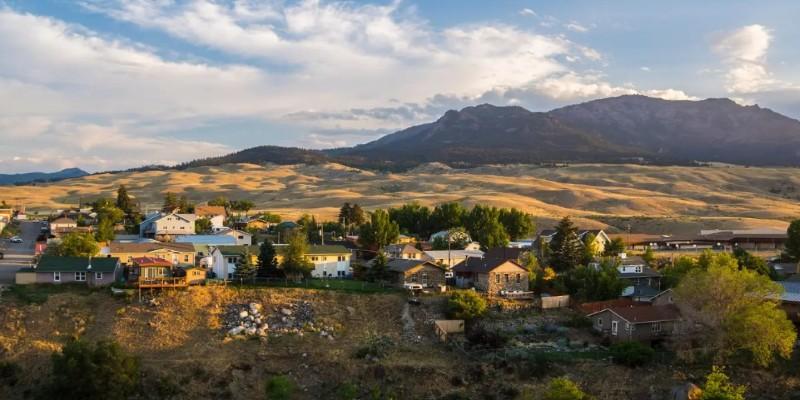
Glacier lodging spreads demand across fewer towns. West Glacier, Columbia Falls, and Whitefish absorb much of the west side overflow, while East Glacier Park Village and St. Mary serve the eastern entrances. Drive times vary sharply depending on entrance choice and daily construction. Booking too many single night stays causes problems. Late arrivals increase the risk of missed check ins, and repeated packing eats into morning hours. Two or three night bases reduce friction and allow recovery days if weather disrupts plans.
Campgrounds follow similar dynamics. Early season openings depend on snowmelt and staffing, and posted dates shift. Private campgrounds often open earlier than park sites, though availability tightens fast once nearby park roads open. Midweek stays cost less and open more options. Expect higher prices during late July tied to school breaks and regional travel surges.
Managing Park Access, Traffic, and Daily Flow
Daily flow inside Yellowstone and Glacier shapes trip satisfaction more than individual landmarks. Yellowstone traffic builds early, especially near Old Faithful, Canyon, and Hayden Valley. Entry lines form before sunrise during peak weeks. One solution involves pushing popular geyser stops into late afternoon, when tour traffic thins. Wildlife viewing works best early morning or evening, so balancing these priorities matters. Trying to cover the entire park in one day leads to gridlock frustration.
Glacier access adds another layer. Vehicle entry controls along Going to the Sun Road change annually. Gate hours, reservation windows, and construction delays shift with little notice. Checking park updates each morning avoids wasted drives. Parking limits create bottlenecks long before trails feel crowded. Picnic lunches reduce reliance on limited food services, which often close earlier than expected.
Weather changes fast at Logan Pass. Fog can roll in, winds gust, and temperatures drop without warning, making visibility tricky. Layered clothing keeps you prepared, and focusing on one main area each day prevents rushed moves. This approach turns long park visits into calm, manageable days instead of stressful sprints.
Practical Tools and Habits That Reduce Trip Friction
Practical tools and simple habits make a Yellowstone and Glacier road trip feel less chaotic. Printed park newspapers remain surprisingly useful, listing road closures, ranger programs, and construction updates that sometimes slip past apps. Offline maps help track forest roads and alternate routes, especially when cell service fades for miles. Alerts from booking platforms can flag last-minute lodging openings after weather or cancellations, a helpful edge during shoulder seasons.
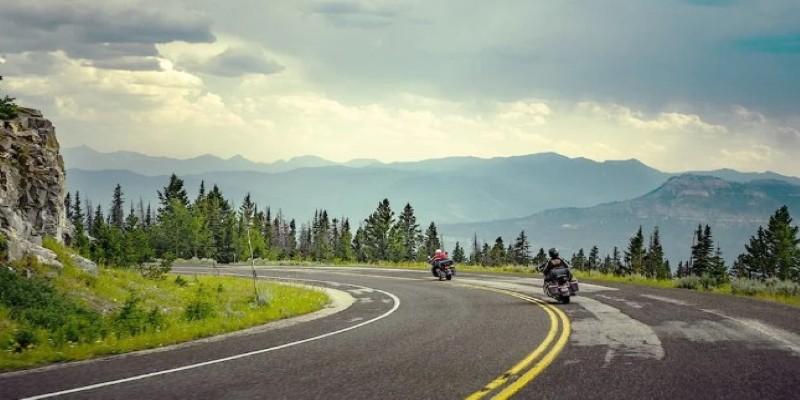
Keeping a shared note with fuel stops, grocery stores, and backup lodging options reduces constant decision-making. Checking state DOT sites each morning helps avoid unexpected detours near Livingston, St. Mary, or West Glacier. Packing a cooler for snacks and drinks makes long park days smoother and reduces reliance on limited food services. These steps don’t remove uncertainty. Weather, wildlife, and traffic still dictate the pace, but small preparations prevent minor issues from piling up and turning a long drive into frustration.
Conclusion
A Yellowstone and Glacier road trip rewards patience and realistic pacing. The scenery delivers, yet logistics decide daily mood. Planning with room for change keeps tension low when roads close or weather shifts plans. Slower mornings and early evenings near park towns feel less rushed. Crowds appear, yet chasing every highlight rarely pays off. Fewer goals leave space for unexpected moments. The drive between parks becomes part of the experience rather than an obstacle. With steady preparation and flexibility, this route offers full days without strain.