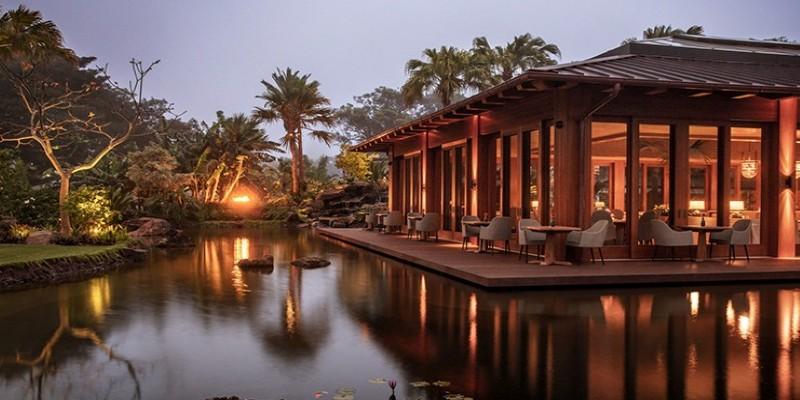
Sensei Lanai sits on a quieter side of Hawaiian travel, far from crowded arrival halls and rushed itineraries. The resort occupies former plantation land near Koele, now shaped into a wellness retreat tied to Four Seasons standards. This is not a place built around sightseeing lists or packed schedules. Days move at a slower pace. Guests arrive after a short flight from Honolulu, then a calm drive through pine trees and open land. The first impression feels deliberate. Staff interactions stay measured, spaces feel intentional, and noise stays low. Expectations reset quickly, especially for travelers used to busy island resorts.
Arrival and First Impressions on Lanai
Reaching Sensei Lanai requires planning that differs from the larger Hawaiian islands. Most itineraries funnel through Honolulu, then connect to a small regional flight. Seats fill quickly during winter and early spring, a pattern tied to wellness travel demand rather than school holidays. Travelers arriving late in the day can face limited alternatives if weather delays occur, so early flights reduce stress.
The transfer from Lanai Airport takes under thirty minutes. The road passes empty stretches and former agricultural fields. There are no retail stops along the way. Packing essentials ahead of arrival matters. The resort check-in process moves quietly. No crowded lobby scenes. Luggage appears quickly, and room access rarely involves waiting.
This structure solves a common arrival problem seen at large resorts, long lines after travel fatigue. A realistic scenario involves a guest landing midafternoon, checking in within minutes, then settling before sunset without logistical friction. One limitation involves the limited medical facilities on the island. Travelers with complex needs should plan carefully. This arrival process sets the tone. Calm begins early. Private transport timing should be confirmed during booking to avoid idle gaps.
Wellness Structure and Daily Flow
Sensei Lanai operates on a guided wellness model rather than a free-form spa schedule. Guests receive a customized itinerary after arrival, built around fitness sessions, thermal experiences, and nutrition-focused meals. This structure addresses a common issue in wellness travel: decision fatigue. Without clear planning, many retreats leave visitors unsure which sessions fit personal goals.
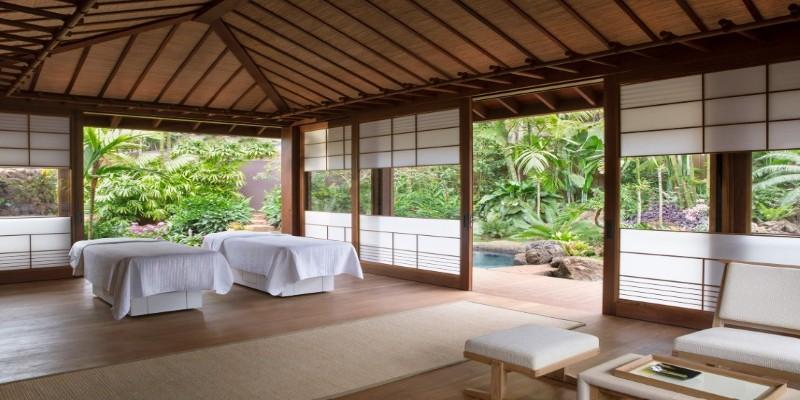
A typical day starts early. Morning movement classes run on time, and late arrivals are not accommodated. This keeps group sizes small and instruction focused. Afternoons remain flexible, with time for rest, reading, or solo walks across the grounds. Evenings stay quiet, supporting sleep routines. A realistic scenario includes a traveler managing work burnout, seeking structure without constant instruction. The schedule provides guidance while leaving space. Limitations exist.
Guests preferring spontaneous activity may feel constrained. Reservations for certain treatments require advance notice, especially during high occupancy months like January and February. This model rewards preparation and clear expectations. Staff checks progress daily, adjusting intensity. Communication happens in person, not through apps, which may surprise tech-reliant travelers. Printed schedules help older guests track sessions without screens. This approach reduces missed appointments during busy weeks.
Dining, Rooms, and Property Logistics
Dining at Sensei Lanai runs on intention rather than indulgence. Meals arrive with a clear purpose, sized to match daily activity and adjusted based on guest preferences gathered early in the stay. That advance planning removes a common resort frustration, repeated explanations, and last-minute substitutions. Menus shift with island supply, so dishes stay consistent with what is realistically available rather than forcing variety. This approach works well for guests focused on routine, though travelers expecting broad nightly choices may need to reset expectations.
Guest rooms are spread across low-rise buildings tucked into garden paths. This layout keeps foot traffic light and reduces shared-wall noise, a detail that matters on an island where sound travels far at night. Interiors lean toward simplicity. Natural airflow replaces heavy climate control, and technology stays limited. Streaming options exist but feel secondary, nudging evenings toward rest instead of screens.
An early sleeper benefits here. Quiet hours come naturally, though rooms near service routes may pick up morning activity. Dining hours follow the wellness schedule, not late arrivals. Guests landing after dinner need advance coordination. Housekeeping runs on a steady timetable, useful for maintaining daily structure. Room service remains limited, especially during busy weeks, so planning meals around sessions helps avoid frustration. Communication stays clear through morning briefings and printed updates, keeping logistics predictable without feeling intrusive.
Booking Reality and Trip Timing
Sensei Lanai follows a rhythm closer to a retreat calendar than a typical island resort. January, February, and early fall bring the heaviest demand, tied to reset-focused travel rather than school breaks. Rates tend to hold steady during these periods, so last-minute bargains rarely appear. That stability removes pricing guesswork but leaves little room for flexible planning.
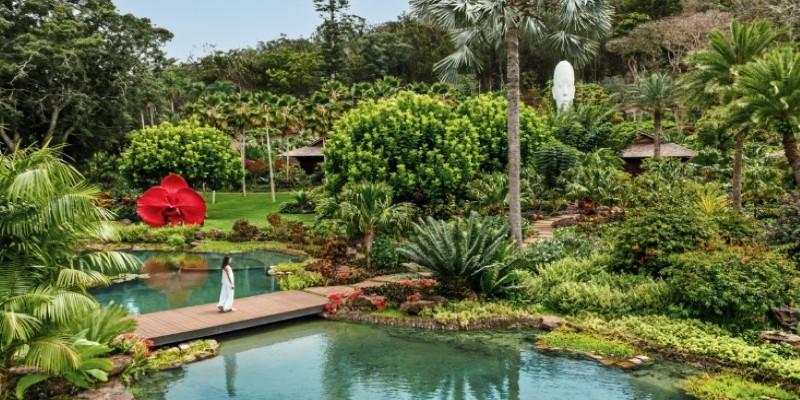
A common scenario involves shifting travel dates to match available wellness programs instead of chasing discounts. Deposits lock in reservations early, and cancellation terms remain firm. Winter travel adds another layer. Inter-island flights face more disruption than mainland routes, making insurance a sensible safeguard. Stays shorter than three nights feel compressed. The program design assumes time for adjustment, recovery, and rest.
Sharing injuries, food needs, or sleep preferences before arrival helps sessions run smoothly. Prepared guests settle in faster. Spontaneous planners often feel the pressure. Airfare from the mainland stays fairly consistent, yet seat counts remain limited. Securing flights first reduces risk. Lanai’s airport runs on a narrow schedule, so missed connections can stretch a trip unexpectedly. Buffer nights on Oahu ease weather-related delays. Early choices make the difference here.
Conclusion
A stay at Sensei Lanai feels designed rather than spontaneous. Every system favors preparation, calm, and structure. This works well for travelers seeking reset and routine, less so for flexible wanderers. The island setting limits distractions and choices, reinforcing focus. Booking early, communicating needs, and accepting the program shape the outcome. Small frictions exist, flight constraints, limited hours, and quiet evenings. Still, the experience delivers consistency. For the right traveler mindset, the resort offers balance without excess or noise. Expect clarity, patience, and steady pacing throughout. That defines the stay well.