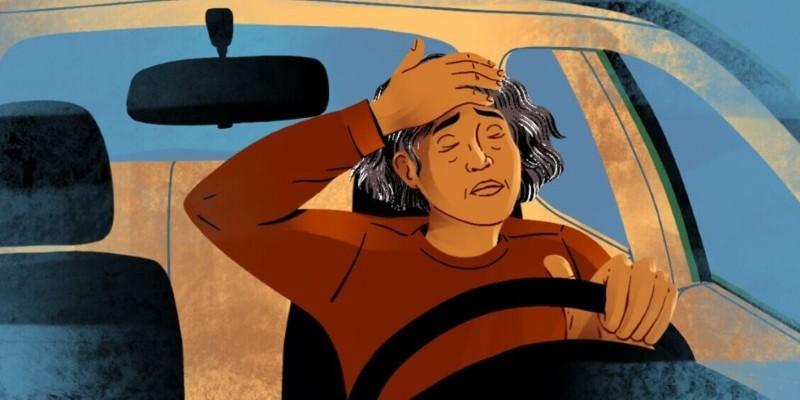
A driver’s license can hinge on a medical chart entry. Epilepsy sits at that intersection of health care and public safety, where a single seizure may trigger legal suspension, workplace disruption, and urgent medication review. Decisions are rarely simple. Some seizures arrive with warning, others do not. Treatment changes can steady control, yet side effects may slow reaction time. Licensing agencies often require proof of stability, and clinics must document it carefully. This introduction sets the stage for the legal rules, clinical assessments, and practical safeguards that shape driving decisions in everyday practice. Road risk is managed through daily planning.
Legal Standards Governing Driving With Epilepsy
Driving regulations related to epilepsy aim to balance individual mobility with community safety. Most jurisdictions require a documented seizure-free period before license issuance or reinstatement. Timeframes differ. Some regions accept three to six months without seizures, while others require one to two years, especially after generalized events involving loss of awareness. Licensing authorities rely on clinician reports, hospital discharge notes, emergency department records, and medication histories to verify stability.

Administrative processes often create friction. Neurology clinics manage high caseloads, and form completion may be delayed during staff shortages or scheduling backlogs. Licensing offices frequently request repeat confirmation after medication adjustments, breakthrough seizures, or hospital visits. Missed deadlines can trigger automatic suspension without individualized review. Appeals require additional documentation, prolonging driving restrictions even after seizure control is reestablished.
Reporting rules vary widely. In some places, clinicians must alert licensing agencies after seizures that impair awareness. Elsewhere, disclosure falls on the driver, and compliance becomes uneven. After a crash, an undisclosed seizure history can trigger penalties, complicate liability, and even lead insurers to reject claims over inaccurate medical reporting.
Commercial driving carries stricter standards. Licenses for trucks, buses, and passenger transport often require longer seizure-free intervals, specialist certification, and periodic reevaluation. These rules affect career planning and are frequently discussed during vocational counseling sessions in outpatient neurology practices.
Medical Evaluation and Fitness to Drive Assessments
Driving fitness assessments in epilepsy clinics focus on day-to-day risk, not a simple seizure tally. Appointment notes often start with the last event date, then move into the details that matter on the road, awareness during episodes, any reliable warning sensations, how long impairment lasts, and the length of post-seizure confusion. A brief focal event with intact awareness can look very different from a sudden generalized seizure that causes immediate loss of control. Recovery time matters. Several minutes of disorientation after an event can be enough to make driving unsafe even when seizures are rare.
Medication review tends to drive many decisions. Common antiseizure therapies can cause sleepiness, slowed reactions, double vision, or imbalance, especially during dose increases, drug switches, or missed refills. Clinicians review adherence patterns, pharmacy gaps, and blood levels when relevant, since a single missed dose can trigger a breakthrough seizure in some cases.
Tests support the picture but rarely settle it. EEG and imaging add context, yet real-world risk comes from the timeline documented across visits. Records can become fragmented after emergency care, so clinics often spend time tracking down discharge notes before completing licensing paperwork.
Seizure Control, Monitoring, and Ongoing Risk Management
Seizure control is the main gatekeeper for driving clearance, yet stability rarely happens overnight. After diagnosis, treatment often moves through dose changes, add-on therapy, or tapering a drug that causes side effects. Each adjustment can shift seizure risk, so clinics often recommend a pause in driving until patterns settle. Follow-up appointments tend to tighten after an emergency visit, a breakthrough event, or a recent medication change, since records from those encounters shape licensing decisions.
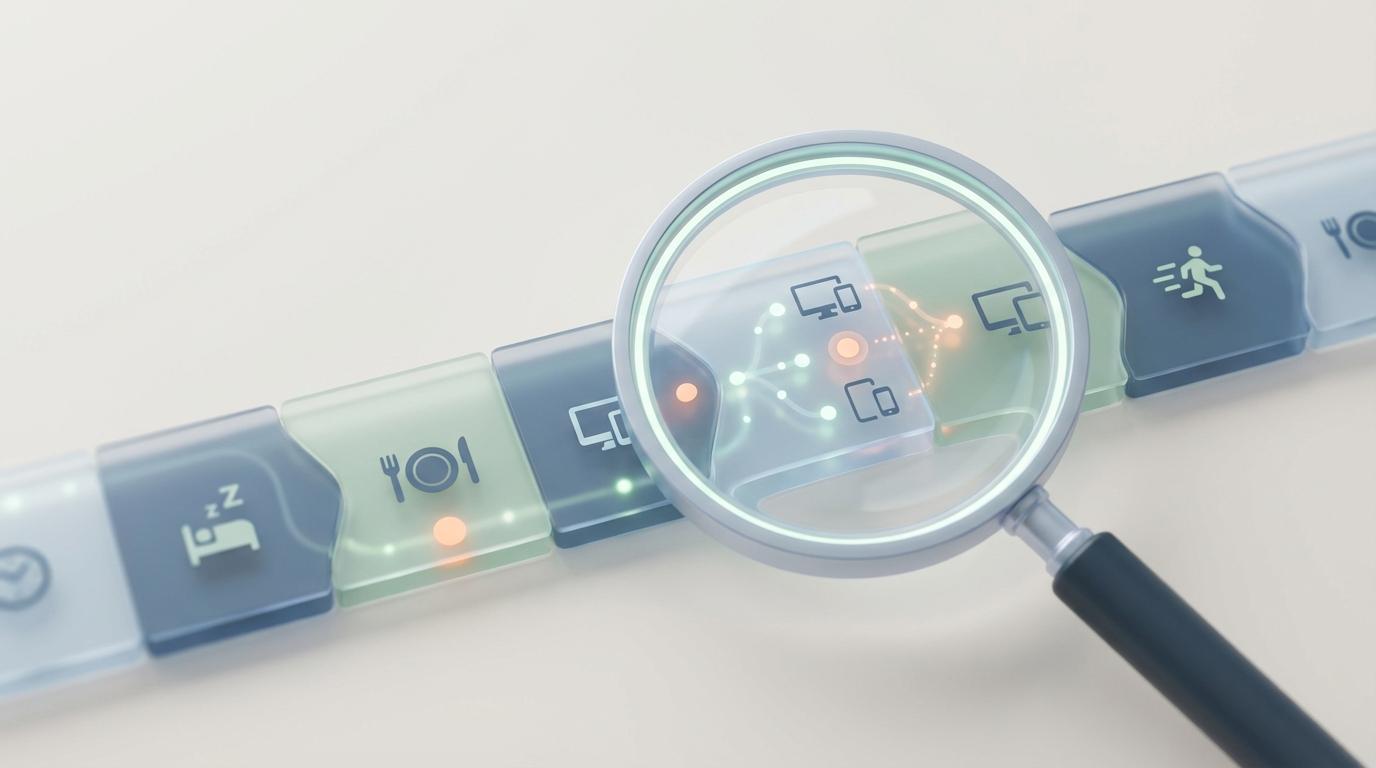
Daily tracking adds context that office visits can miss. A seizure diary can reveal practical triggers such as shortened sleep, skipped doses during travel, or illness-related fever. Some people use wearables for nighttime events, but the data can be noisy. False alarms are common, and subtle seizures may not register. Many health systems still lack smooth ways to pull device logs into the chart, so notes and timelines remain the backbone of documentation.
Risk management continues outside prescriptions. Rotating shifts, dehydration, and viral infections can lower seizure thresholds even after long control. Care plans often include sleep routines, refill safeguards, and clear steps after any event that affects awareness. A single breakthrough seizure usually restarts review, and driving status may change quickly.
Practical Safety Measures and Real-World Considerations
Legal permission to drive does not remove day-to-day risk. Many drivers returning after a restriction build a buffer into routine decisions. Car features can matter, especially predictable handling and safety aids such as automatic transmission, lane support, and forward-collision alerts. Early driving often stays local. Familiar streets, daylight trips, and shorter distances reduce exposure while confidence and clinical stability are still being confirmed.
Work obligations can complicate timing. Jobs tied to driving frequently require current paperwork, and medical forms may move slowly through busy neurology offices. Some workplaces allow temporary reassignment or reduced driving duties while documentation is processed. Occupational therapy and case management teams sometimes coordinate letters and timelines so employment does not collapse during a review cycle.
Preparedness is part of safety. Medical ID and updated emergency contacts speed response after an incident. Counseling in a clinic often targets a common misconception that medication use alone guarantees protection. Treatment reduces risk, yet missed doses, sleep loss, and illness can still trigger seizures. Back-up transport options prevent rushed decisions. Transit passes, scheduled rides, and employer accommodations help maintain routines while restrictions are active or reassessment is pending.
Conclusion
Driving with epilepsy is possible under specific legal and clinical conditions. Road safety relies on stable seizure control, consistent reporting, and ongoing medical review. Licensing frameworks emphasize public safety over individual preference. Clinical teams manage medication response, trigger exposure, and documentation accuracy. Delays and reporting gaps still affect access. Regular monitoring remains necessary, as seizure patterns and treatment effects can change, requiring reassessment to maintain compliance and system trust.