Southern Baja often draws travelers into two distinct rhythms that sit close together yet feel far apart. Cabo moves on tight schedules, fixed transfers, and advance reservations. Todos Santos follows a slower pattern shaped by small businesses and limited services. A combined trip highlights that contrast in practical ways. It fits travelers aiming to mix reliability with patience. Planning matters here. Timing matters more. The experience works best when neither place is rushed or forced into the other’s pace. With realistic expectations, the trip feels grounded, flexible, and reflective of daily life rather than a staged itinerary for most guests.
Arrival Patterns and Transportation Realities
Most trips funnel through Los Cabos International Airport, and the hour you land shapes the rest of the day. Midday arrivals collide with packed terminals and slow baggage belts. Ground transport backs up quickly, turning a simple pickup into a waiting game. Early morning flights move faster, yet they limit flexibility, especially for travelers planning to head north the same day. After a red-eye or long connection, committing to a long drive can feel heavier than expected.
Transportation decisions start right outside the terminal doors. Shared shuttles look economical at first glance, though they follow fixed loops. One extra hotel stop can stretch a short drive well past expectations and push dinner plans out of reach. Private transfers keep timing intact, though pricing shifts sharply during winter, holiday weeks, and large events. Rates change fast, sometimes overnight, which catches unprepared travelers off guard.
Rental cars offer control but introduce their own friction. Insurance terms remain the biggest stumbling block. Mexican liability coverage is required and rarely included in headline prices. Many travelers only see the real cost at the counter. Paying for it avoids complications later, especially during roadside checks.
The drive toward Todos Santos appears simple, yet conditions tell another story. Livestock crossings, roadwork near Pescadero, and minimal lighting change the experience after sunset. Daylight travel lowers risk and keeps stress down. Fuel stations become scarce north of Cabo, so filling up early prevents detours. Small choices like these protect arrival days from unnecessary setbacks.
Cabo’s Structured Side of the Trip
Cabo runs on order. Resorts keep firm check-in windows, gated entrances, and clearly defined service hours. Boat tours and fishing charters follow permit rules, tide conditions, and crew availability. During peak months, especially winter and early spring, the most requested outings fill fast. Travelers arriving without confirmed plans often face higher prices or fewer time slots. Hotel concierge teams assist, but their reach shrinks once occupancy climbs. Full properties mean tighter schedules and fewer favors.
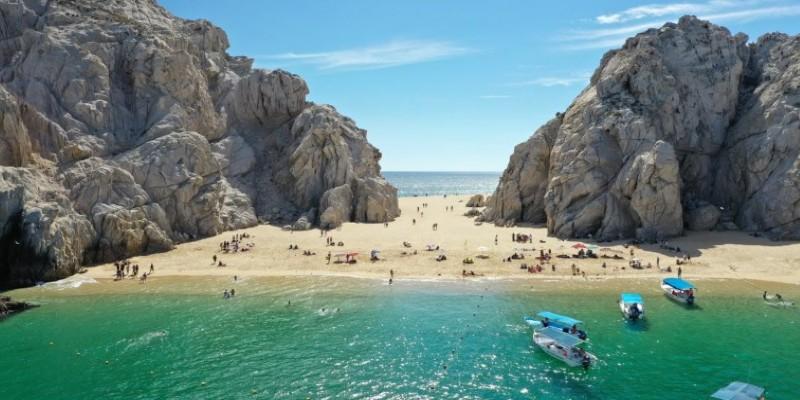
Dining reflects the same rhythm. Popular restaurants book early on weekends and holiday stretches. Showing up without a reservation usually leads to long waits or late dinners. Planning ahead removes uncertainty, though it limits last-minute changes. This structure suits travelers that prefer a clear plan and predictable timing. It cuts down on idle hours and awkward delays. Problems surface when traffic slows, transfers or rough seas cancel departures. With little buffer built in, one delay can derail an entire afternoon.
Packing deserves attention. Evening venues lean polished, and casual resort wear does not fit every setting. Seasonal shifts add complexity. Cooler winter nights and intense summer sun shape daily comfort. Cabo favors preparation and rewards it consistently.
Transitioning Into Todos Santos
The shift north brings an immediate change in tempo. Todos Santos relies on small hotels and guesthouses, many with limited rooms. Inventory stays tight, especially during art events and local festivals. Online platforms rarely show last-minute openings. Direct contact with properties often reveals cancellations or unlisted availability. This approach helps travelers facing sold-out calendars and avoids unnecessary detours back toward Cabo.
Daily routines run differently. Shops open later, and some close without notice for personal errands or supply runs. Kitchens shut earlier than visitors expect, and afternoon service gaps appear regularly. Planning a main meal earlier in the day prevents frustration later. The town rewards patience and flexibility rather than strict timelines.
Services remain limited. ATMs occasionally run out of cash, fuel stations close early, and pharmacies carry smaller inventories. Carrying cash and basic supplies solves these gaps. Footpaths feel uneven, and lighting stays minimal at night. Comfortable footwear matters more than style. These considerations address the real challenge of adjusting expectations after leaving a highly managed destination. Todos Santos offers calm, yet it asks visitors to slow down and accept local operating rhythms.
Balancing Pace Across Both Stops
The order of stops quietly sets the tone for the entire trip. Beginning in Cabo gives space to reset after flights. Transfers run on time, meals follow clear schedules, and help stays close at hand. That structure eases jet lag and decision fatigue. Moving north later feels smoother once energy returns. Doing it the other way around can feel jarring. Late arrivals and flight delays strain a town built around limited hours and small staffs, where flexibility has limits.

Time of year shapes daily flow, too. Summer heat compresses activity into mornings, leaving afternoons better suited for rest under shade or near the coast. Winter flips the script. Evenings inland cool down fast, catching lightly packed travelers off guard. Simple layers solve the problem. Duration plays a role. Todos Santos rewards slower stays. Fewer rooms and reduced dining schedules mean short visits feel rushed. Extra nights absorb road delays and quiet days. Adjusting to each place, rather than forcing speed, keeps the contrast enjoyable instead of stressful.
Conclusion
A Cabo and Todos Santos trip succeeds through realistic planning and respect for local rhythms. Cabo provides structure, reliable services, and predictable schedules. Todos Santos counters with slower routines and limited infrastructure. Combining both addresses the fatigue many travelers feel from staying in one mode too long. Careful timing, daylight driving, and seasonal awareness prevent common disruptions. Small adjustments improve comfort and reduce stress. The result feels genuine and balanced, shaped by how southern Baja actually operates, not by assumptions or hurried expectations.