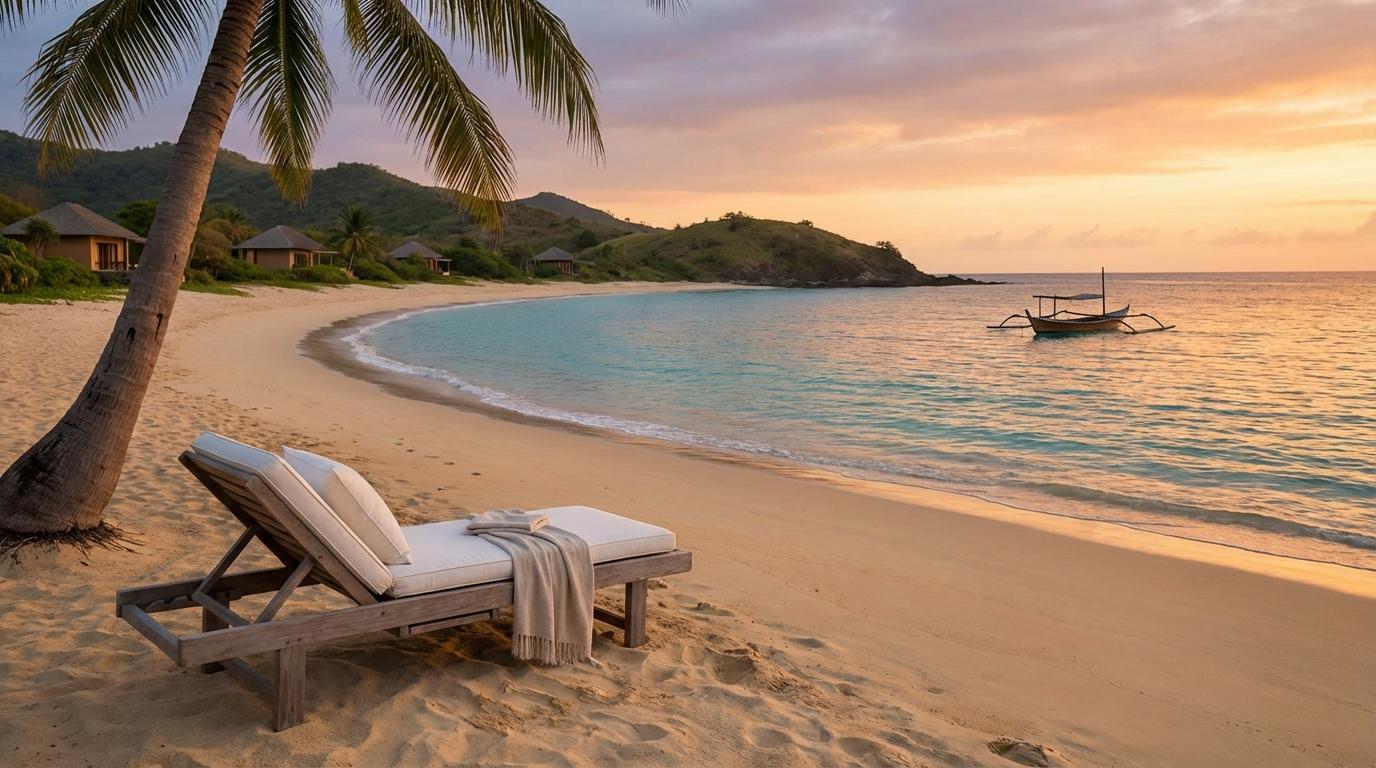
Why Choosing a “Relaxing” Beach Country Feels Harder Than It Should
Planning a “relaxing beach trip” sounds simple: pick blue water, book flight, done. But once you start searching, the internet throws Bali, Mexico, Greece, Thailand, the Maldives, and twenty more at you—each claiming to be paradise, each with warnings about crowds, scams, or bad weather. You’re left with 40 tabs open and no clear yes.
The problem is that “relaxing” depends on things you only notice when they’re missing: feeling safe walking back at night, not hearing club music from your pillow, being able to order food without stress, avoiding marathon transfers. With so many countries, narrowing to the few that actually match you feels oddly difficult.
Narrowing the Map: Which Parts of the World Actually Fit Your Quiet-Beach Personality?
When you finally zoom out to the world map, everything blurs: Caribbean, Southeast Asia, Mediterranean, Indian Ocean—all with beaches, all with very different kinds of “quiet.” The trick is to match regions to how you actually like to unwind, not to glossy photos.
If you recharge with some structure and familiar routines, areas with established resort coasts and short transfers tend to fit better: think countries with busy main beaches but calmer towns a bay or two away. If you feel more relaxed when things are informal and a bit improvised, regions known for backpackers and small guesthouses can work—just accept that “quiet” there often means patchy infrastructure along with the empty sand. If real seclusion appeals most, islands or less-developed coastlines deliver space, but often at the cost of choice, and quick medical help.
Once you’ve matched your personality to a few broad regions, the next step is checking where you’ll actually feel at ease day to day.
Working Out Where You’ll Feel at Ease: Safety, Language Comfort, and Easy Getting Around
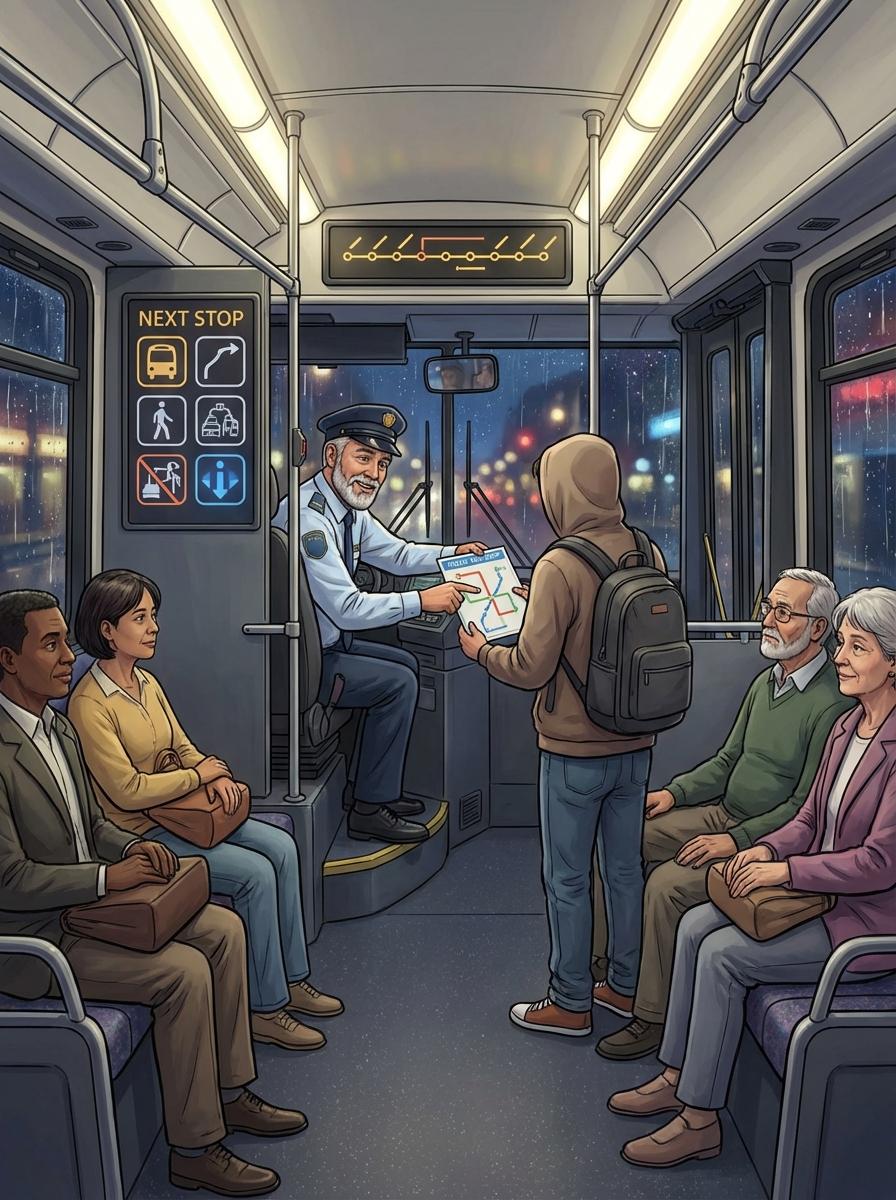
You usually notice whether a place feels “right” in the small moments: walking back from dinner in the dark, asking a bus driver where to get off, trying to read a sign before the line behind you grows impatient. Those are the points where safety, language, and transport either fade into the background or quietly drain your energy.
If you like feeling relaxed on evening walks and day trips, check crime advice for tourists, how busy streets stay after dark, and whether taxis or ride-hailing are easy to get. If you hate feeling tongue-tied, look for countries where your language is common in tourist areas or where menus and signs are reliably translated. When connection matters, favor places with simple transfers from the airport, regular buses or ferries, and clear maps rather than patchy minibuses and guesswork.
Once you see where you’d genuinely move around with ease, the trade-off becomes obvious: the calmer and more comfortable the setup, the more you’ll usually pay to get and stay there.
How Much Calm Can You Afford? Weighing Budget Against the Level of Seclusion You Want
When you start plugging dates into booking sites, the pattern shows up fast: the small, quiet island starts at “special occasion” prices, while the bigger, busier coast has plenty of mid-range options. You’re paying not just for fewer people but for longer transfers, limited competition, and the cost of getting food, staff, and supplies into a more remote spot.
If you want true low-density calm—no buildings in sight, almost empty sand—expect higher nightly rates, pricier meals, and paid boat or taxi rides whenever you leave. If your budget is tighter, you usually get more value by accepting a livelier country or town, then buying calm with your exact location: a block back from the waterfront, a quieter bay, or a guesthouse in a residential area.
The sweet spot often sits inside mainstream beach countries, where crowded strips and surprisingly peaceful corners share the same coastline.
Quiet Corners in Familiar Favorites: Finding Calm in Popular Beach Countries
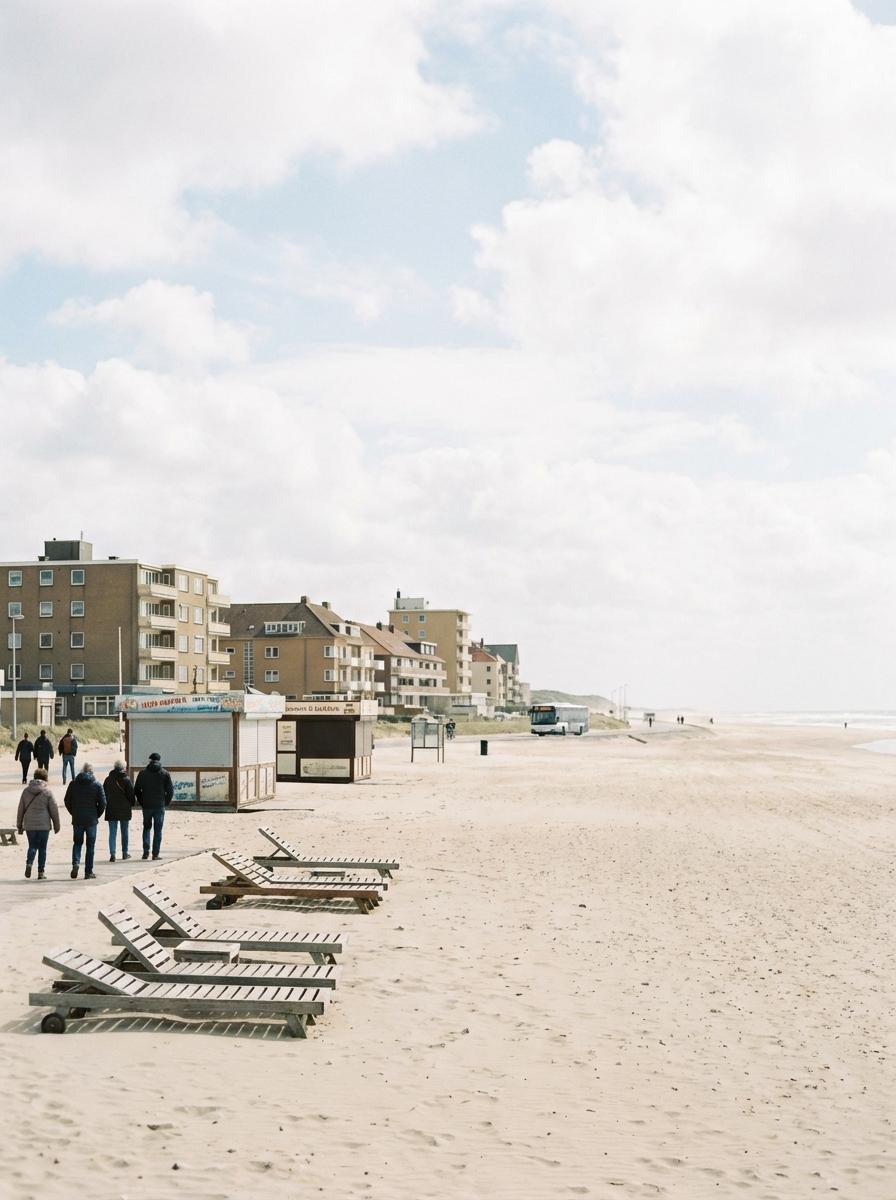
On the ground, that “sweet spot” often looks like this: you land in a country everyone goes to—Spain, Thailand, Mexico—and the main resort strip feels exactly as loud and busy as you feared. But a 10–20 minute drive along the same coast brings you to a smaller bay or a residential neighborhood where the beach is quieter, the pace is slower, and prices stay tied to local life rather than a captive tourist crowd.
How to spot the calm side of a busy favorite
On maps, these pockets are usually one notch removed from the obvious hotspots: the next town along from a famous beach, the side of a peninsula without the ferry pier, the stretch with apartments and small hotels instead of big all-inclusives. Reviews are useful filters—look for phrases like “away from the strip,” “quiet at night,” or “mostly families and locals.” The trade-off is convenience: you may rely on short taxi rides, earlier dinners, and fewer club options in exchange for silence when you sleep.
Timing helps too. Popular countries often feel different in shoulder season or on weeknights, when school holidays and weekend party trips ease off. That can mean fewer open restaurants and less frequent buses, but also more space on the sand and calmer evenings. If even the quieter corners of well-known beach countries still feel too built-up, it might be time to consider countries that stay low-key from the moment you land.
Trying Something Different: Under-the-Radar Countries with Gentle, Scenic Seaside
Landing somewhere that feels low-key right away often means a different kind of beach country: a small airport, no big resort billboards, a short drive past farms or sleepy towns before you even see the sea. These are the places that rarely headline “best beaches” lists but quietly offer gentle, scenic coastline with fewer tour buses and less background noise.
On a map, they tend to sit beside their famous neighbors: the Adriatic instead of the Aegean, the Atlantic side of South America instead of the Caribbean, or lesser-known stretches of Indian Ocean coast far from big package hubs. You might hear people mention the quieter sides of countries like Uruguay, Albania, or parts of Malaysia in the same breath as better-known hotspots. The payoff is space: more locals than tourists on the sand, small family guesthouses instead of mega-resorts, and evenings that end with the sound of waves rather than club speakers.
The trade-offs are real. Flights may be less direct, English less widely spoken, ATMs and hospitals more spread out, and vegetarian or specific-diet options thinner. You often need to book transfers in advance, carry extra cash, and accept that a rain day might mean a book and a board game rather than a mall. If that still sounds appealing, these under-the-radar coasts belong alongside the familiar favorites when you start trimming your ideas down to a small, focused country list.
From Ideas to a Shortlist: Turning Beach Daydreams into 3–5 Real Country Options
By this point you probably have a messy mix of big-name resorts and quieter outsiders on your radar. Put them in one place: list every country, then cross out anything that fails your hard lines on safety, language comfort, budget, or travel time for this specific trip.
From what’s left, group similar options and keep just one from each cluster—the one that’s cheaper or easier to reach, even if you’re fond of two equally. Aim for three to five countries that feel “good enough” rather than perfect. That shift, from perfect to workable, is what finally lets you pick and book.