You hit 40 and realize you have nothing saved for retirement. No account. No cushion. Just that tight feeling in your chest that says, “I messed up.” If that’s you, take a breath. This is not the end of your story. It is a starting line.
What matters now is speed and direction, not regret. You need a plan that stops the money leaks, builds a small buffer, and gets you investing automatically, even if you can only start small. You do not need a huge salary or perfect timing. You need a few smart moves that stack, month after month, until your future stops feeling like a threat and starts feeling like a plan.
Drop The Shame, Pick Up A Simple Scoreboard
Shame feels like motivation, but it usually acts like glue. It keeps you stuck in the same habits because looking at the numbers feels painful. You do not need a lecture. You need a clear starting point you can measure, even if it is not pretty yet.
Pick two numbers today. Your net worth, even if it is negative. And your monthly free cash flow, meaning what is left after essentials and minimum payments. Those two numbers tell you what is actually happening, not what you hope is happening.
Now name the real constraint. Is it a spending leak, low income, high-interest debt, or pure chaos with bills? Do not guess. Look at the last 30 days of transactions. Then choose one quick win you can repeat, like saving $25 a week, to prove to yourself you can move forward.
Stop The Bleeding With A One-Week Money Reset
Retirement savings are hard when your money is leaking every day. So your first job is to stop the bleeding. Do a one-week reset where you only spend on the basics. Rent, utilities, groceries, transport, and the minimums you must pay. Everything else pauses.
The biggest leaks are usually quiet. Subscriptions you forgot. Delivery that feels harmless until it adds up. Random online buys that show up as small charges but hit like a monthly bill. Cancel, pause, or delete the apps that make spending too easy.
Make your system harder to mess up. Use one account for bills and one for spending. The bill account covers fixed costs and runs on autopilot. The spending account has a clear weekly limit. This is not punishment. It is a structure that keeps you in control.
Get Unstuck: Employer Match, Debt, And A Tiny Safety Net
If your job offers a 401(k) match, grab it first. That match is part of your pay, and skipping it is like turning down a raise. Even a small contribution can unlock free money. Start there while you clean up the rest of your finances.
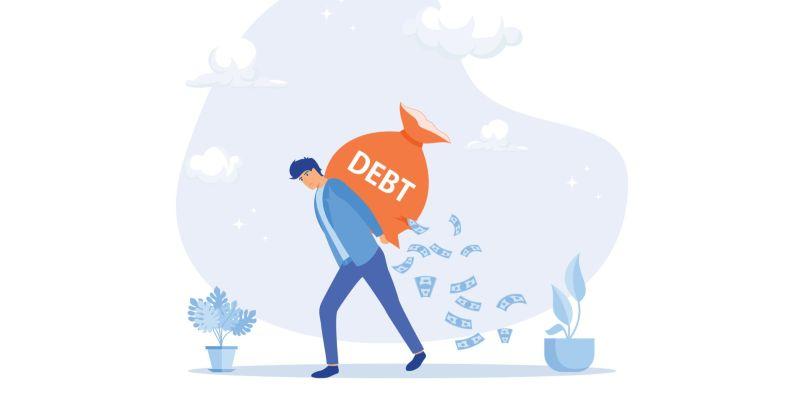
Next, face high-interest debt honestly. Credit cards and expensive loans grow faster than most investments. Pay the minimums on everything else, then aim extra cash at the highest rate. Every dollar you eliminate is a guaranteed return.
At the same time, build a tiny safety net. Not a huge emergency fund yet. Just enough to keep a flat tire or a medical copay from going back on a card. A small buffer reduces panic, and panic is what wrecks good plans.
Build Your “Autopilot” Retirement Stack
Once you are getting the match and your money is not constantly blowing up, build a clear investing order. First, contribute enough to capture the full employer match. Next, fund an IRA if you qualify. Then increase your 401(k) contribution. It keeps decisions simple.
Do not overcomplicate the investments. If you do not want to research funds, choose a target-date fund and let it rebalance for you. If you prefer more control, stick with low-cost index funds. The goal is consistency, not picking the “perfect” fund.
Automate everything. Set contributions to pull from each paycheck so it happens before you can spend it. If you only start with a small number, fine. What matters is that it runs on autopilot. Future you will thank present you for removing willpower from the plan.
Make Your Savings Rate Jump Without Feeling Broke

Most people try to save more by cutting harder. That usually fails. A better move is to raise your savings rate when your income rises. A raise, a bonus, overtime, a new job. Increase contributions the same week the money shows up, before life expands.
If you need bigger gains, focus on the two categories that swing the most. Housing and cars. A slightly cheaper place, a roommate for a season, refinancing when it makes sense, or driving a paid-off car longer can free up hundreds a month without constant sacrifice.
You can also add income in a way that fits real life. Extra shifts. Weekend catering. A small freelance gig. A skill upgrade that leads to a higher-paying role. Use a “split the win” rule. Half improves your life now, and half goes to retirement.
Protect The Plan From Real Life
A retirement plan collapses when one bad event wipes out your progress. That is why protection matters. Make sure you have the basics covered. Health insurance. Disability insurance if your income depends on you showing up. Life insurance is important if someone relies on your paycheck.
After your mini buffer is steady, grow it into a real emergency fund. It does not need to happen overnight. Build it over time so you can handle repairs, gaps in work, or surprises without draining your retirement accounts or running back into debt.
Set guardrails for rough months. Pause spending on upgrades first, not investing. Keep your contributions steady, even if they are small. The plan should be boring and resilient. When life gets messy, a simple system is what keeps you moving instead of quitting.
Your Next 12 Months Can Change Everything
You are not behind because you are 40. You are behind because you have not started. That is a fixable problem. One year of steady action can rebuild your confidence and your future. The goal is not to “catch up” overnight. The goal is to stop drifting.
Keep the sequence clear. Track your starting numbers. Cut the leaks that keep you broke. Grab any employer match. Knock down high-interest debt. Build a small buffer so life stops forcing you back into panic choices. Then let automatic investing run in the background.
Make a 30-day commitment. One month of follow-through is enough to prove you are in control again. Once the system is running, it gets easier to push it forward. Your future does not need a perfect version of you. It needs the next deposit.