The Myth of Quick Fixes in Health
A few weeks into a new plan, you do everything “right” and still wake up to a scale that barely moved. Work ran late, the kids got sick, you missed a workout, and it starts to feel like the whole thing is fragile.
Quick fixes sell the idea that effort should show up fast in your body: tighter clothes, more energy, a clear number dropping every week. When that doesn’t happen, it’s easy to label the plan as broken instead of noticing what’s really happening—normal swings in water, sleep, stress, and appetite masking slow change.
The more extreme the reset, the harder it is to repeat on a normal schedule. The better question is what kind of change your body can actually build over time.
Health as a Long-Term Biological Process
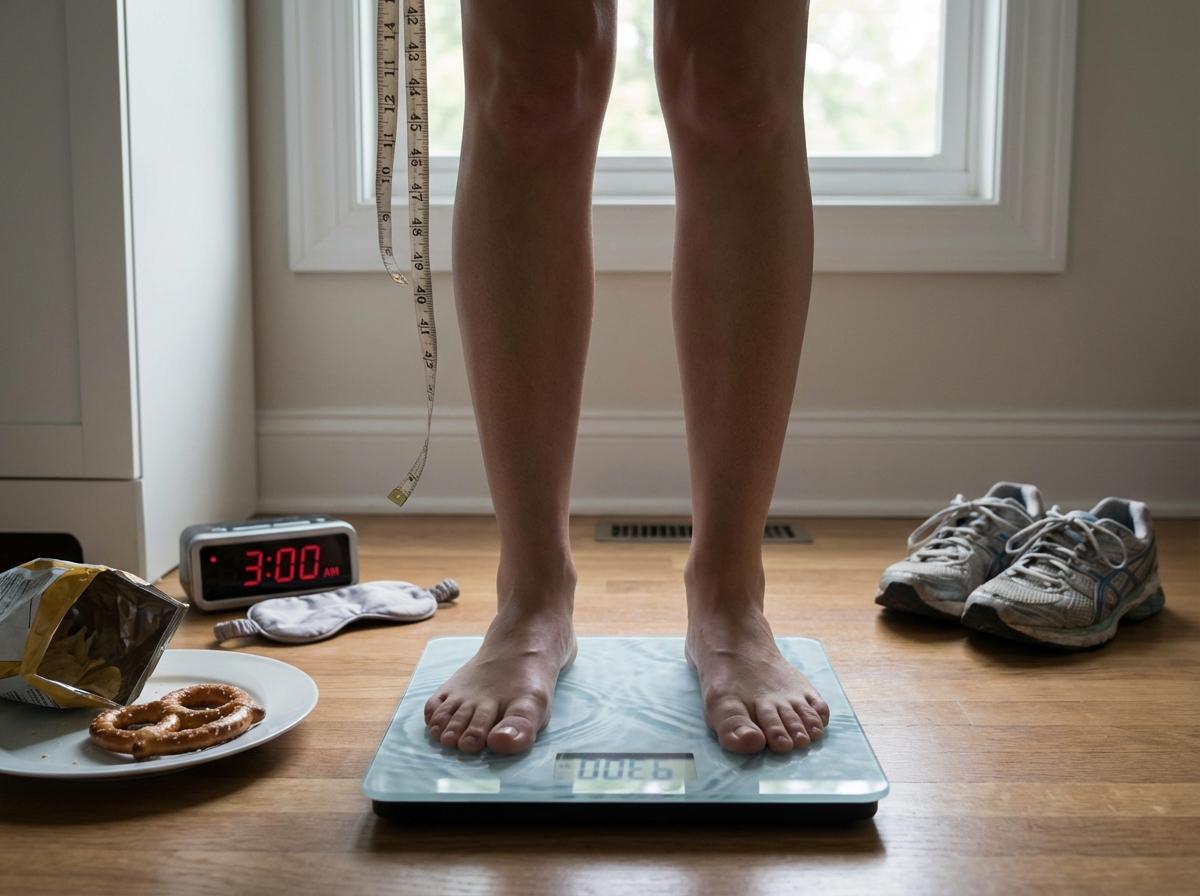
That kind of change is slow because your body works on schedules you can’t bully. Fat loss depends on an energy gap that adds up over weeks, not a perfect day. Fitness builds as your heart, lungs, and muscles adapt to repeated effort, and some tissues—like joints and tendons—lag behind even when motivation runs hot.
This is why two “good” weeks can look like nothing happened. A salty dinner, poor sleep, a hard workout, or a stressful deadline can push water weight up and hunger around, hiding the trend. Meanwhile, real progress often shows up in quieter places: you can walk stairs without getting winded, your lifts feel steadier, your waistline changes before the scale does.
The friction is patience with imperfect data. If you chase fast feedback, you’ll overcorrect. If you repeat a few actions most days, your biology has enough consistent input to adapt—then the signals start to line up.
The Role of Habit Formation
Repeat a few actions most days, and the signals start to line up—because your body finally gets the same message often enough to respond. In real life, that “message” usually comes from habits: the choices you can do on a busy Tuesday without needing a burst of motivation. You don’t need a perfect plan. You need a plan that survives late meetings, school pickups, and low-energy evenings.
Habits work because they reduce decision fatigue. If you already know breakfast is high-protein, or that you walk for ten minutes after lunch, you spend less willpower negotiating with yourself. Over weeks, those defaults create a steadier calorie gap and more consistent training, even when the week is messy. The habits feel small, which makes them easy to dismiss, even though they’re the only actions you can repeat long enough for results to compound.
Pick two or three “non-negotiables” tied to existing routines: protein at two meals, a daily step target, and two short strength sessions. Then track adherence, not mood. That’s what keeps you steady when progress looks quiet.
Why Progress Often Feels Slow
When you track adherence, not mood, you often notice a frustrating gap: you hit your “non-negotiables,” but your body doesn’t reward you with obvious proof. The scale stalls. Your energy feels average. Clothes fit the same. That’s usually not failure—it’s timing and noise.
Day to day, your weight can swing from water, digestion, and inflammation from harder workouts. If you started lifting, soreness can pull in extra water even while fat slowly drops. If your sleep took a hit, hunger goes up and NEAT (all the little movements you don’t count) often goes down, shrinking the calorie gap without you realizing it. None of that shows up as a clean weekly trend.
The better you get at consistency, the more you need a longer measuring window. Use 2–4 weeks of averages, waist measurements, photos, and gym performance. Then adjust one lever at a time, not the whole plan.
Patience and Mental Well-Being
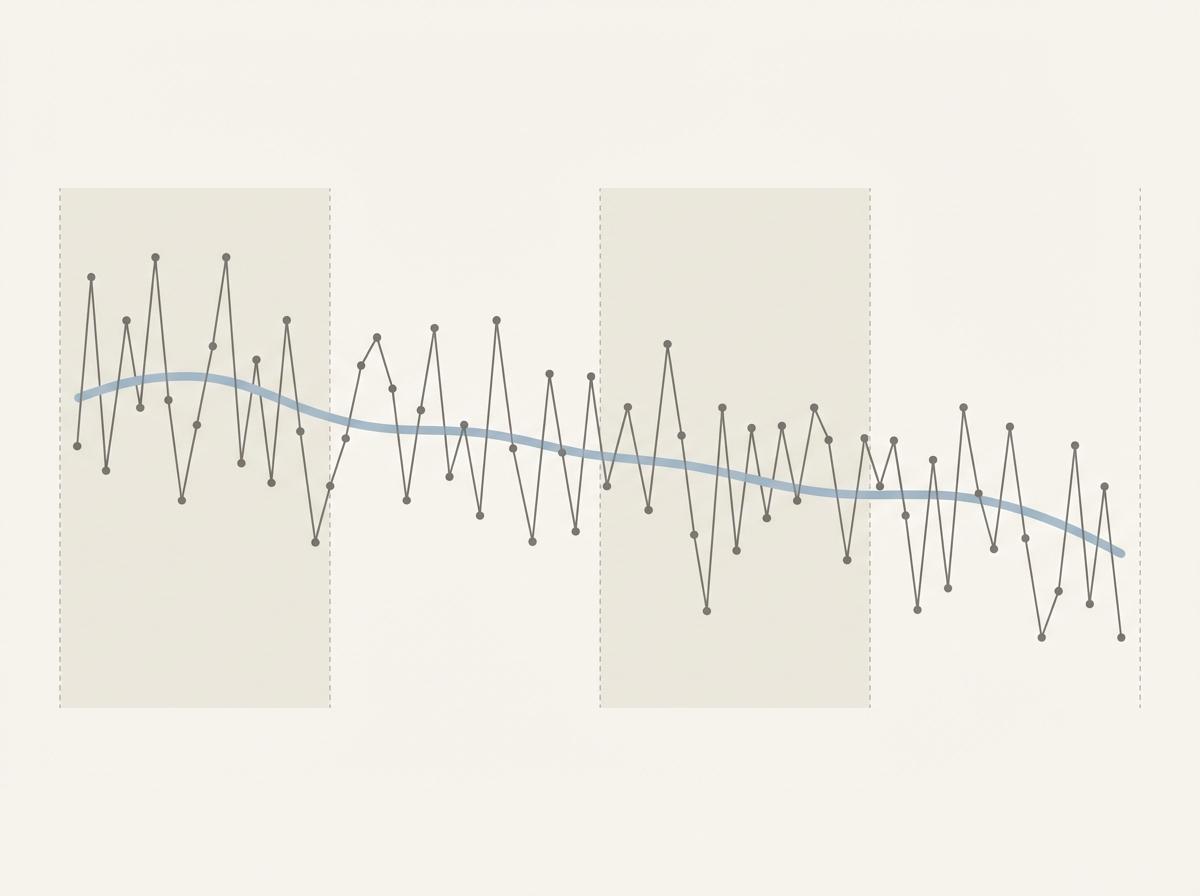
When you commit to a 2–4 week measuring window, the hard part isn’t math—it’s your head on the days nothing “looks” different. You step on the scale, see the same number, and your brain starts bargaining: cut carbs, add cardio, skip dinner. That reaction makes sense. You want relief from uncertainty, not just results.
Patience protects your mental health because it keeps you from living in constant verdict mode. If every weigh-in decides whether you’re “good” or “bad,” you’ll feel anxious, and anxiety tends to push people toward all-or-nothing choices. A practical fix is to set rules in advance: weigh daily but only compare weekly averages, and don’t change the plan until you’ve hit your basics for 14 straight days.
The trade-off is you’ll sit with discomfort longer. In return, you stop treating normal noise like an emergency, and your next adjustment becomes a calm decision instead of a reset.
Sustainable Health vs Extreme Health
That calm decision is where sustainable health separates from extreme health. Extreme plans usually feel productive because they give you strict rules and fast early feedback: a big drop from depleted glycogen, less food volume, or a burst of workouts. Then real life hits—travel, a birthday, a bad night of sleep—and the plan breaks because it never had a “normal mode.”
Sustainable plans look almost boring. You keep protein high, lift a couple times a week, walk more than you think you need to, and leave room for meals you didn’t cook. The trade-off is you won’t get the emotional high of a dramatic reset. You get something better: a system that still works when you’re busy, stressed, or not in the mood.
A useful test is this: could you do this at 70% effort for the next six months? If the answer is no, the next step is building a mindset that makes consistency feel like the goal, not the compromise.
Building a Long-Term Health Mindset
If you can picture doing it at 70% effort for six months, the mindset shift is to treat that pace as the win. Set a longer clock on purpose: think 12 weeks to see clear change, and 6–12 months to build a body you can keep. Then define “on track” as completing your basics, not feeling motivated or seeing a perfect weigh-in.
Make it concrete. Keep a short list: protein at two meals, a daily step floor, two strength sessions, and a bedtime range. Review weekly averages and one fitness marker (like reps or walking pace), and only change one lever after 3–4 steady weeks. The friction is boredom. The payoff is you stop restarting, and you start building.