Bedtime comfort habits can influence physiology in quiet ways. Socks worn overnight change how heat moves through the body, and that shift can affect sleep onset and night awakenings. Clinicians hear about sock use during insomnia visits, diabetes checkups, and dermatology appointments, often after a small concern becomes persistent. Warm feet may calm nighttime restlessness, yet trapped moisture can irritate skin and invite fungal problems. Fit, fabric, and hygiene determine the balance. A clear look at benefits and risks helps set realistic expectations and safer routines. Medical context matters, especially for poor circulation, neuropathy, eczema, post-surgical swelling, or overheating risk.
Thermoregulation and Sleep Physiology
Body temperature follows a predictable pattern during the transition into sleep. Core temperature gradually drops, signaling the nervous system that rest should begin. Warming the feet supports this shift by encouraging heat to move away from the core toward the skin surface. Sleep clinics observe this mechanism during insomnia evaluations, especially in colder seasons or tightly climate-controlled residences. Records from sleep diaries and actigraphy often show that cold feet at bedtime coincide with longer sleep latency and frequent position changes.
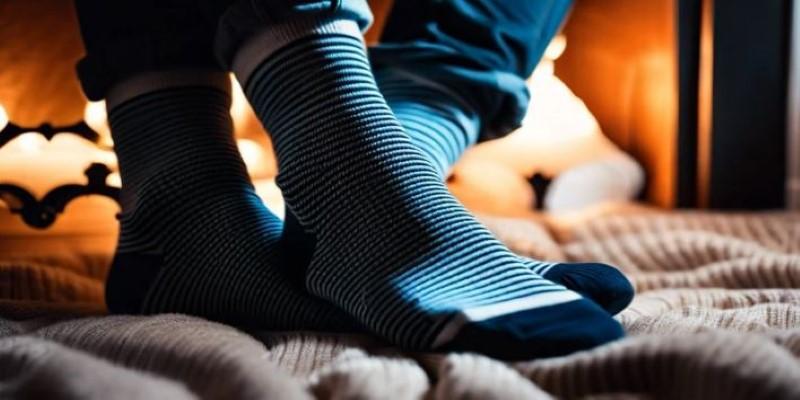
Socks address this issue through localized warmth rather than whole-body heating. Breathable fabrics allow heat transfer without disrupting the overall temperature balance required for stable sleep. This becomes particularly relevant in older homes with poor insulation or healthcare facilities that maintain cooler nighttime settings. Hospital wards often keep lower temperatures to meet infection control protocols and protect medical equipment.
Socks provide comfort without additional bedding, reducing interference with monitoring leads, pulse oximeters, or scheduled circulation assessments. Nursing notes frequently reflect fewer nighttime call requests after foot warmth is maintained. Limits remain clear. Thick or poorly ventilated socks trap heat and moisture, leading to sweating and fragmented sleep. Polysomnography data link overheating to reduced slow-wave sleep and repeated micro-awakenings. Fabric selection shapes outcomes.
Cotton and moisture-wicking materials promote airflow and humidity control. Non-breathable synthetics create uneven skin temperature and discomfort. Sleep specialists usually recommend incremental changes across several nights, allowing the body’s thermoregulatory response to stabilize before drawing conclusions.
Circulation, Nerve Sensitivity, and Comfort Factors
Sleep disruption sometimes starts at ground level. Cold feet can clamp down small vessels and leave the lower legs keyed up, with extra shifting and leg rubbing under the sheets. Socks provide steady peripheral warmth, and that can reduce the vasoconstriction response that keeps the body alert. In geriatrics and diabetes follow-ups, “cold feet at night” is a frequent complaint. Limited daytime walking, long sitting stretches, and autonomic changes can slow heat delivery to the toes, even when the bedroom feels comfortable.
Nerve sensations often intensify once the body is still. Burning, prickling, numb patches, and sudden stabs can feel sharper in bed than during daytime activity. Home-care documentation sometimes notes thin, smooth socks as a practical barrier. The goal is less friction, since sheet movement can irritate hypersensitive skin, especially over dry heels or tender toe joints. Small rubbing can turn into repeated awakenings and a morning report of “restless legs” that is actually localized irritation.
Compression socks need a separate risk check. Mild pressure can help dependent swelling during immobility, yet sizing errors can worsen nerve pain or compromise flow. Clinics look for cuff grooves, color changes, cool spots, and delayed capillary refill. Heat buildup under thick fabrics can add another trigger, leading to fragmented sleep.
Skin Integrity, Infection Risk, and Hygiene
Skin issues rarely come up in sleep conversations, yet overnight socks can change the environment around the feet. Heat and limited airflow encourage sweat to linger, and persistent dampness softens the outer skin layer. That weakened barrier makes it easier for irritation to flare and for fungal overgrowth to take hold. Dermatology visits often uncover tinea pedis after weeks of itching or peeling that initially looks similar to eczema, which can slow the right diagnosis and treatment.
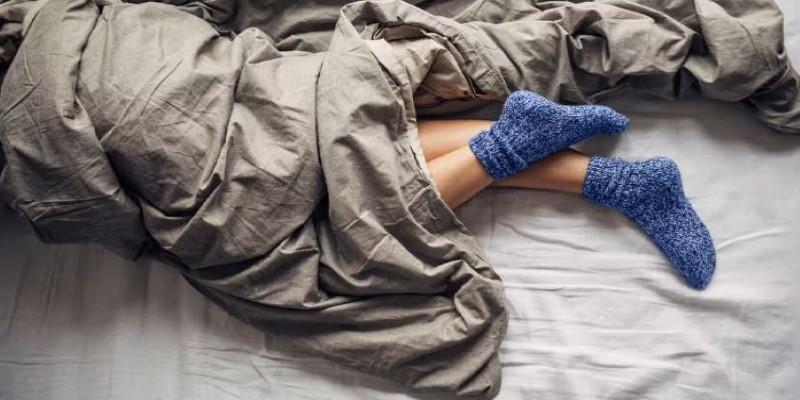
Hygiene determines much of the risk. Clean socks worn only for sleep reduce the amount of bacteria and moisture sitting against the skin. Daytime socks carry sweat, dead skin, and debris, then keep that mix in close contact overnight. In hospitals and home-care routines, regular sock changes allow skin checks for early redness, pressure points, or maceration, problems that can progress quietly in patients with reduced sensation. Sock design matters. Seamless toes and soft cuffs lower friction, while thick seams and tight bands can create hot spots. Fully drying feet before bed helps keep skin intact.
Clinical Guidance, Special Populations, and Precautions
Guidance on wearing socks to bed differs across clinical settings. Sleep medicine tends to view socks as a temperature tool, used to warm the feet and support sleep onset in cooler rooms. Podiatry pays closer attention to skin and blood flow, since heat, friction, and moisture can change the condition of the feet overnight. Raynaud phenomenon is a common example seen in primary care and rheumatology visits. Keeping the feet warm can reduce nighttime vasospasm and lessen painful color changes recorded in symptom logs.
Limits apply. Excess sweating or a history of recurrent fungal infections often calls for sock-free nights to let the skin dry and the barrier recover. In pediatrics, fit matters. Tight cuffs can leave pressure marks and irritate delicate skin. After foot or ankle surgery, plans are more specific. Surgeons may direct a certain sock type or compression level to manage swelling while keeping incisions easy to check.
Conclusion
Sleeping with socks can shape sleep quality through heat balance, comfort, and foot health. In clinical practice, the habit often helps cold feet settle down at bedtime, which can shorten sleep-onset delays. The same warmth can trap moisture, raising the chance of irritation or fungal flare-ups when fabrics breathe poorly, or socks get reused. Results vary with circulation issues, sweating patterns, diabetes risk, and skin sensitivity. Tracking dryness, redness, itching, and overnight overheating supports safer use. Clinical advice matters most when surgery, neuropathy, or recurring infections are present.