Paris works well for a long weekend with friends because distances stay short and expectations stay flexible. Trains, sidewalks, and compact neighborhoods reduce planning friction. That matters when arrival times vary or energy dips after a late flight. A Friday evening can still hold a proper meal and a walk without pressure. Saturday feels full without rushing. Sunday leaves space for packing and lingering coffee. The city rewards small decisions rather than rigid schedules. For a group trip, that balance keeps moods steady. This guide looks at the practical choices that shape a polished, low stress Paris break together easily.
Choosing the Right Neighborhood Base
Where a group stays shapes the whole rhythm of a weekend. Paris neighborhoods feel different, not just in location but in pace, and that affects mornings, evenings, and getting around. Saint-Germain and the Marais are practical choices for groups because cafés, shops, and small museums sit within easy walking distance. That setup makes it easy for someone to wander off briefly without anyone feeling stranded or the day getting derailed.
Apartments often work better than hotels for groups. One friend may arrive early, another later, and having a key or clear check-in instructions avoids the usual front desk delays and misunderstandings. Older buildings can have narrow staircases or no elevators, so checking floor levels saves energy and frustration on the first day. Small details like this often surprise visitors and can set the tone for the weekend.
Noise is another factor. Paris apartments enforce quiet hours, and neighbors react quickly. Ground-floor units near busy streets feel lively during daylight but loud at night, while courtyard-facing apartments are quieter but darker. Picking the right balance matters for sleep after long days on foot.
Booking timing plays a big role. Spring weekends, fashion events, or trade fairs push prices up, and suitable apartments vanish fast. Reserving four to six weeks in advance secures space and location, while reading cancellation terms carefully helps groups stay flexible if flights change or someone drops out.
Getting Around Without Overplanning
Transportation in Paris rewards light preparation rather than rigid routing. Metro lines reach most areas, yet weekend service changes catch visitors off guard. Maintenance work often closes sections late at night, and replacement buses move slowly through traffic. A transit app with live alerts helps manage this without constant checking. A realistic moment involves spotting a closure before entering the station, saving time and frustration for everyone.
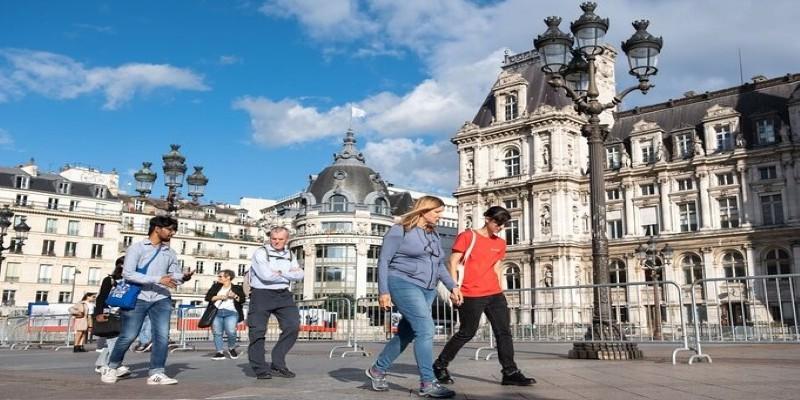
Walking fills the gaps. Distances look long on maps but feel manageable on foot, especially between adjacent districts like the Marais and Bastille. Side streets offer quieter routes, and walking keeps the group together without timetable pressure. Comfortable shoes solve more problems than detailed route plans, and they reduce the need for constant transit decisions.
Ride-hailing works best as a backup. Surge pricing appears during rain, strikes, or major events. Pickup points near landmarks create delays, and drivers sometimes cancel after long waits. Using it late at night after trains thin out makes sense, but relying on it all day adds cost and unpredictability.
Airport transfers deserve thought. Sunday afternoon traffic toward Charles de Gaulle slows sharply, and security lines grow uneven. Leaving earlier than planned saves stress, even if it means extra waiting at the gate. For Orly, trams and regional trains remain reliable but fill quickly. Buying tickets in advance avoids line delays, a small step that keeps departures smooth.
Eating Well Without Chasing Reservations
Meals anchor the weekend, yet overbooking causes fatigue. Paris dining follows fixed schedules, and kitchens close between services. That creates gaps for visitors expecting all-day availability. Planning one reservation per day leaves space for spontaneous stops, longer lunches, and relaxed evenings.
Neighborhood spots often outperform famous addresses for groups. Tables turn faster, staff feel less rushed, and menus change with the market. A typical situation involves walking into a small place near the apartment and getting seated quickly, rather than traveling across town for a name. Communication issues appear when dietary needs surface late. Sharing preferences early prevents awkward ordering moments. Some kitchens adjust easily, others do not, and knowing that difference avoids disappointment.
Peak dining hours fill quickly, especially on Fridays and Saturdays. Arriving early avoids waiting outside, since many kitchens open right on time and close doors once full. That timing difference surprises travelers used to flexible hours and creates stress when hunger sets in.
Payment customs also differ. Splitting checks remains uncommon, and card terminals slow down large groups. Rotating payments or using cash speeds exits and avoids confusion at the table. These small choices reduce friction and keep evenings relaxed, which matters during a short stay with friends.
Shopping, Culture, and Downtime Balance
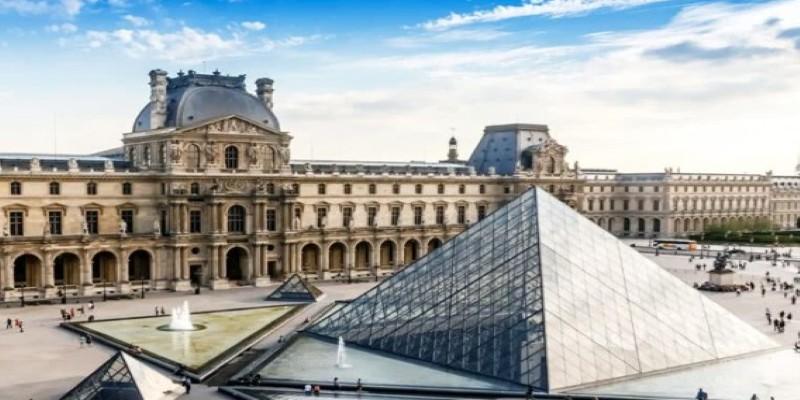
Paris has an abundance to offer, yet packing too much into a short visit quickly becomes tiring. Museums often require timed tickets that sell out days in advance, creating a familiar weekend challenge. Reserving a single major exhibition guarantees entry and keeps the day from turning into a checklist. Late afternoon visits feel calmer, with fewer tour groups and shorter security lines, allowing a more relaxed pace.
Shopping rhythms shift by neighborhood. Small boutiques often close early on Sundays, while larger stores stay open but shorten their hours. Tackling purchases earlier in the day avoids last-minute stress, and handling tax refund paperwork before stores close prevents long lines at the counter.
Downtime deserves just as much attention. Parks, riverbanks, and quiet side streets offer moments to pause, watch city life, and regroup. Those unplanned pauses often become the highlights of a trip. Weather changes quickly, so layers and flexible timing prevent rushed returns. Leaving pockets of free time each day ensures the weekend flows smoothly and remains enjoyable for everyone.
Conclusion
Paris suits a long weekend with friends through ease without boredom. The city supports small groups when plans stay loose, and choices remain practical. Neighborhood bases keep days fluid. Transit works best with light monitoring. Meals feel better with restraint rather than packed schedules. Cultural stops land well beside rest. A girls' weekend works when everyone leaves included and unrushed. Paris offers that balance through ordinary streets and shared moments that last well after returning home again later.