You’re not trying to “boost” anything—you just want to stop getting sick so often
You’re doing your job, keeping up at home, and still getting knocked out by every bug that goes around. It’s not that you want a “stronger immune system” in the abstract—you want fewer sick days, fewer ruined weekends, and to stop feeling behind all the time.
The problem is that “immune boosting” advice usually pushes you toward buying things, not changing what actually drives resilience. Real levers often feel annoyingly basic—sleep you can’t fully control, stress you can’t just delete, meals that happen between meetings. The trade-off is time and consistency, not willpower.
So the useful question becomes: when you catch every cold, what’s actually happening in your week-to-week life?
If you catch every cold, what’s actually happening in your week-to-week life?
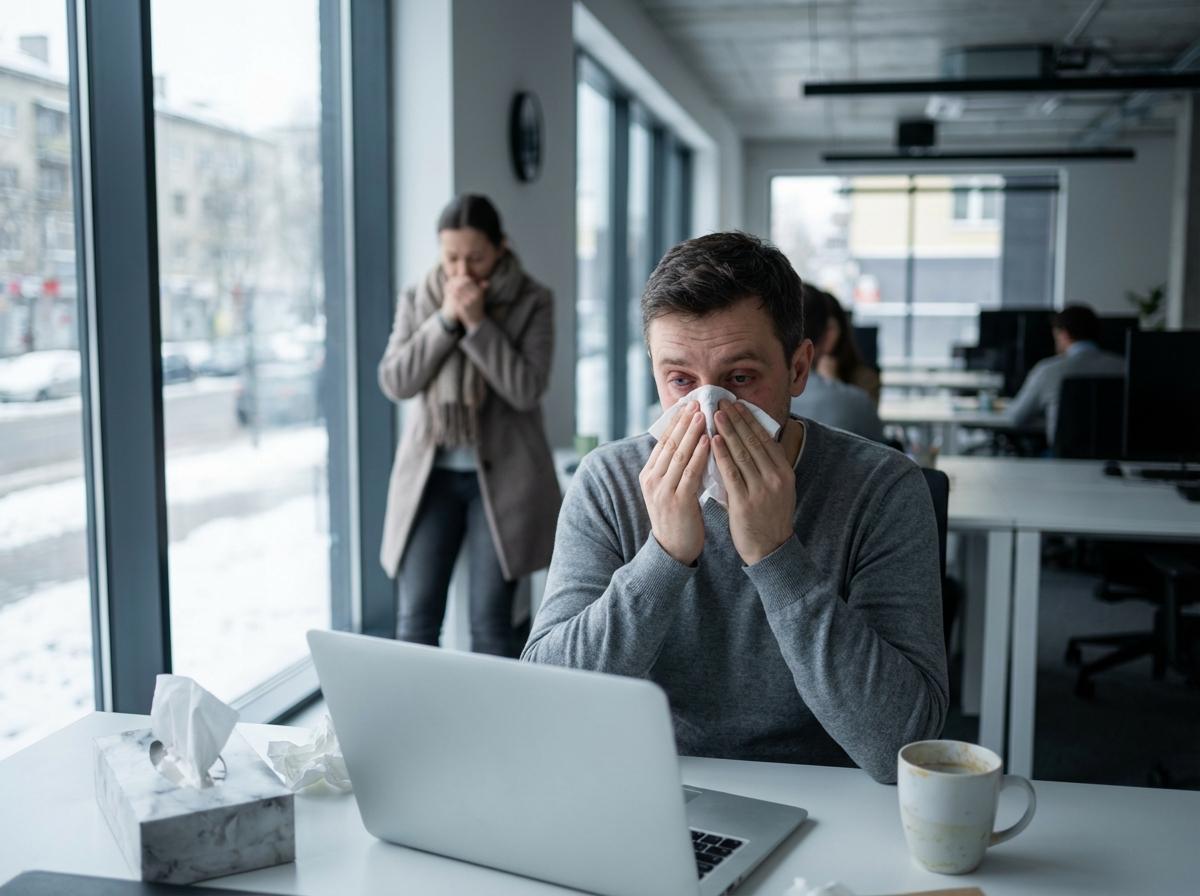
It usually looks like this: someone in the office gets a scratchy throat, and within a week you’re congested, foggy, and canceling plans. That doesn’t always mean your immune system is “weak.” More often, your baseline is already stretched, so each new exposure pushes you over the line.
Look at your last two or three weeks, not your last supplement purchase. Were you short on sleep for several nights, eating whatever was easiest, skipping movement, then trying to “make up for it” on the weekend? Were you training hard while traveling, drinking more than usual, or grinding through stress without real downtime? These pile up because recovery has a budget, and busy weeks spend it fast.
You can’t fix everything at once, so you start with the first domino most people underestimate: sleep.
When sleep is the first domino (even if you can’t get 8 hours)
Sleep is the first place the “recovery budget” goes negative. You feel it as a shorter fuse, heavier cravings, and that sense you’re one meeting away from getting wiped out. Then a virus shows up, and your body has less slack to contain it early.
The mistake is thinking it only counts if you can hit eight hours. What usually helps more is reducing how many nights you’re running a deficit and smoothing out your schedule. If you’re stuck at 6–6.5 hours, protect consistency: a fixed wake time most days, a 20–30 minute earlier bedtime when you can, and fewer late “second winds” from scrolling or emails. If you’re doing back-to-back short nights, a 15–25 minute nap can blunt the hit without wrecking bedtime.
Saying no to something real—one more episode, one more drink, one more task—because sleep only works when it displaces something else. Stress makes that choice harder, which is why it’s the next lever to watch.
Stress load: the hidden tax on recovery you don’t notice until you’re run down

Stress is what turns a “fine” week into one where a mild sniffle becomes a full-stop cold. You still get things done, but you’re tighter, more reactive, and you don’t really come down at the end of the day. That matters because recovery isn’t just sleep length—it’s whether your body gets enough calm time to shift out of high alert.
The catch is you can’t erase stress, so you look for stress load: the total of deadlines, conflict, commuting, screens at night, and the mental loop that keeps running after work. If your chest feels tight in traffic, you snap at small stuff, or you wake up already thinking, that’s a sign the load is high. One practical move is a daily “downshift” you’ll actually do: a 10-minute walk after dinner, a short breathing drill before bed, or putting email behind a hard cutoff. Nutrition gets harder under stress too, which is why food is the next lever.
Food choices that matter most when routines are messy
Nutrition usually falls apart the same way every time: a rushed breakfast, a grabbed lunch, and then a late-day “whatever works” dinner because you’re fried. Under stress, the goal isn’t perfect eating—it’s keeping steady inputs so your sleep, energy, and recovery don’t keep sliding.
Start with two anchors. First, get protein and fiber into the first half of the day (eggs or Greek yogurt; a sandwich plus fruit; leftovers with beans). If you wait until dinner, cravings and convenience win. Second, add one “real” plant daily—any fruit, salad kit, frozen veg, or soup. It’s not a superfood move; it’s coverage when meals are random.
The friction is planning. Keep a short list of default meals and snacks you can repeat, then save willpower for the week’s bigger recovery traps: training, and smoking.
You’re exercising—but are you under-recovering, or still smoking?
Those bigger traps usually show up right when you’re “doing the right thing.” You’re getting workouts in, but you’re stacking hard sessions on short sleep, work stress, and travel, then wondering why a small exposure turns into a full cold. If you’re sore for days, your resting heart rate is up, or your easy workout feels oddly hard, treat that as a recovery signal, not a motivation problem. Pull one lever: reduce intensity for a week, keep easy movement, and protect bedtime.
And if you still smoke or vape, that alone can keep your airways irritated. At that point, “immune hacks” won’t compete—support to quit will.
Supplements and “immune boosters”: what’s worth considering before you spend money
Once you’re at the point where quitting help matters more than “immune hacks,” supplements should sit in the same box: optional, and only useful when they cover a specific gap. Most “boosters” don’t change how often you get sick if sleep, stress, food, and recovery are still sliding. The friction is cost and false confidence—you can spend a lot and still keep the same week-to-week exposures and deficits.
If you want to be strategic, start with the boring wins. Vitamin D is worth checking if you rarely get sun or it’s winter; supplementing makes the most sense when levels are low. Zinc lozenges can help if you start them early at the first sign of a cold, but they can upset your stomach and shouldn’t become a daily habit. A basic multivitamin can be a stopgap during chaotic weeks, not a fix.
Skip megadoses and long “stacks,” especially if you’re on meds or have kidney issues. If you’re still getting frequent or unusually hard illnesses, that’s a cue to stop shopping and get medical input.
When to stop tweaking lifestyle and get medical input
That cue is easy to ignore because you can always “try one more thing,” but there are times when the right move is a check-in. If you’re getting sick unusually often (for example, back-to-back infections for months), symptoms keep dragging past 10–14 days, or you’re repeatedly missing work from “normal” colds, talk to a clinician.
Go sooner if you have high or persistent fever, shortness of breath, chest pain, dehydration, wheezing, unexplained weight loss, night sweats, swollen glands that don’t settle, or blood in mucus. The trade-off is time and a bill, but you may uncover asthma, allergies, anemia, sleep apnea, immune issues, or medication side effects. Bring dates, duration, and what you’ve already changed.