Chronic disease alters daily routines long before major clinical events occur. Fatigue, pain, and limited mobility gradually reduce incidental movement. Research across long term care settings shows that even modest physical activity affects survival patterns. Light movement influences circulation, metabolic control, and inflammatory balance without stressing compromised systems. These effects accumulate quietly. Healthcare teams now address movement during routine reviews, treating it as a clinical variable rather than lifestyle advice, grounded in feasibility, safety, and long horizon outcomes over time.
Light Activity and Physiological Pathways in Chronic Illness
Light physical activity influences several pathways that sit at the center of chronic illness. In metabolic disease, short bouts of slow walking, light housework, or brief standing breaks can increase muscle glucose uptake and smooth post-meal rises seen on continuous glucose monitors. Clinicians often notice fewer abrupt swings during review of sensor downloads, which can reduce the need for frequent dose changes and lower the risk of chasing numbers between visits.
The cardiovascular response is quieter but meaningful. Gentle movement supports endothelial signaling, improves venous return, and limits fluid pooling in the legs after long periods in a chair. For heart failure and coronary disease, this can translate into less ankle swelling and fewer episodes of heaviness that trigger urgent calls or extra clinic checks. Small movement breaks can be easier to tolerate than a single longer session.
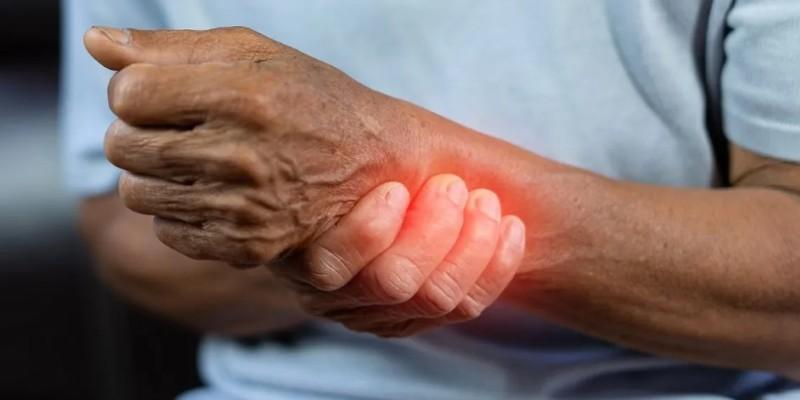
Inflammation may shift as well. Chronic inflammatory activity contributes to progression in arthritis, chronic kidney disease, and COPD. Low intensity movement has been associated with modest reductions in inflammatory mediators over time, adding support alongside pharmacologic therapy. Limits remain. Pain flares, fatigue, and breathlessness can narrow the safe range. Plans usually include pacing rules, symptom thresholds, and recovery monitoring to prevent setbacks.
Clinical Integration in Cardiac, Metabolic, and Pulmonary Care
Clinical integration of light physical activity relies on coordinated planning. Cardiology clinics commonly incorporate activity discussions during routine blood pressure or weight assessments. Nursing staff record daily movement estimates alongside symptom logs. This contextual information assists physicians during medication review, particularly when evaluating fatigue or dizziness reports.
Metabolic clinics adopt similar strategies. Diabetes educators frequently align movement suggestions with meal timing to minimize glucose excursions. Short walks after meals reduce postprandial elevations without increasing hypoglycemia risk. Documentation within electronic records supports continuity during provider transitions.
Pulmonary care presents distinct challenges. Breathlessness limits exertion tolerance. Rehabilitation teams design movement plans integrated into daily tasks such as light housework or paced hallway walking. These routines reduce deconditioning without provoking respiratory distress. Home oxygen equipment placement often influences feasible movement paths, requiring individualized planning.
Home care environments add complexity. Limited space, mobility aids, and caregiver availability shape activity options. Physical therapists adapt routines to furniture layout and flooring surfaces. Movement recommendations align with medication schedules to reduce orthostatic symptoms. Telehealth follow ups reinforce adherence between in person visits.
Data collection remains imperfect. Self reported activity varies in accuracy. Wearable devices offer objective metrics but raise concerns regarding cost, data interpretation, and adherence. Clinicians often prioritize pattern recognition over precise counts, focusing on sustainability.
Adherence Barriers, Safety Limits, and Monitoring Realities
Adherence remains difficult in chronic disease care. Persistent pain, peripheral neuropathy, and unstable joints can make even short walks feel risky. In rheumatology and neurology clinics, movement plans are often revised after flare patterns appear in the chart, aiming to prevent a week of increased symptoms after a single overambitious day. Safety checks come first. Fall risk tools, footwear review, and a quick balance screen help set limits that match real home conditions.

Medication timing can change tolerance. Diuretics may increase urgency and discourage longer outings. Some antihypertensives contribute to lightheadedness after standing. Bronchodilators can raise heart rate and confuse exertion cues. Nursing staff often compare symptom notes with blood pressure logs and dosing schedules to spot these patterns.
Monitoring stays practical. Short functional checks, daily weight trends, and gait observations during home visits reveal decline earlier than a monthly appointment. Social barriers matter. Tight living spaces, caregiving demands, and missed transport can derail plans unless routines are built around what consistently fits.
Longevity Signals Seen Across Care Settings
Long term follow up studies link light physical activity with lower death rates in chronic disease care. The same signal shows up in routine practice notes. In primary care, charts often show fewer emergency visits after months of consistent, low effort movement. During post discharge calls, less time is spent troubleshooting new weakness or sudden loss of stamina after a brief illness. Mobility tends to hold.
The change is slow. Early appointments rarely deliver dramatic numbers. A1C, blood pressure, or spirometry may look similar at first. The difference appears later in function. Chair rises stay easier. Gait speed drops less. Legs swell less often after long sitting. Cardiac rehab teams and pulmonary clinics see fewer setbacks during mild respiratory infections when baseline conditioning has not slipped.
Expectations are set around maintenance. Plans get revised when diuretics increase, neuropathy worsens, or joint pain flares. Safety stays central, especially with balance issues or orthostatic symptoms. Light activity does not stop disease progression. It reduces the downstream damage linked to inactivity, keeping care plans steadier across years and across settings.
Conclusion
Light physical activity plays a steady role in long term chronic disease care. Research and clinical records connect regular low effort movement with longer survival across varied diagnoses. Benefits appear strongest when activity fits symptom patterns, medication timing, and home conditions. Change unfolds gradually, supported through routine check ins and practical education. Periods of flare or decline require adjustment rather than cessation. Over time, gentle movement helps preserve circulation, metabolic stability, and physical function, contributing to steadier care pathways and reduced secondary complications across healthcare settings.