Solo travel to Toronto works best with a loose plan and realistic pacing. The city spreads wide, transit runs well, but distances add up fast, and weather changes plans without warning. 2 days allow a solid sense of daily life without rushing or burning out. This itinerary suits a first visit alone, with walkable areas, simple transit links, and regular pauses. It avoids attractions that consume half a day for limited payoff. Timing notes reflect crowd patterns, ticket queues, and seasonal habits. The goal stays practical. Feel oriented, comfortable, and confident moving through Toronto by yourself.
Day 1: Downtown Streets And Waterfront Rhythms
Morning At St. Lawrence Market And Old Town
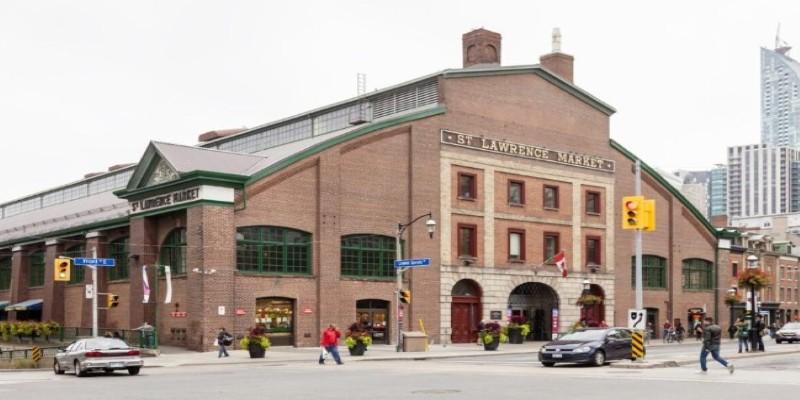
Start the day near St. Lawrence Market around 9 a.m. Earlier arrival solves one of Toronto's most common visitor issues: crowd compression in small indoor spaces. Weekdays feel calmer; Saturdays bring long lines by mid-morning as residents shop for the week. Solo travelers benefit from quicker ordering, but seating disappears fast. Food that travels well helps. Old Town streets nearby work nicely for a slow walk. Blocks stay short and flat, benches appear often, and signage feels clear. In winter, icy patches linger in the shade. Good footwear matters more than style during colder months.
Midday Walk Through The Financial District And PATH
Late morning suits a walk north into the Financial District. Tall towers create strong wind channels, a detail many visitors underestimate. The PATH underground network helps dodge weather and lunch-hour congestion. Wayfinding remains the biggest challenge. Maps help, but exits often look similar. Staying near familiar markers reduces frustration. Distances here feel short on maps but longer on foot. That misjudgment leads to missed reservations later. Lunch pricing spikes between noon and 1:30 p.m. Going earlier or later saves time and money. Solo diners usually get seated faster during rush periods.
Afternoon Along The Harbourfront
After lunch, head south toward the waterfront. Harbourfront paths stay flat and wide, good for a relaxed pace. Ferry traffic builds after 2 p.m., so ticket lines lengthen. Buying tickets online earlier avoids waiting outside in changing weather. Lake conditions affect visibility more than expected. Fog or strong wind can roll in quickly. Summer weekends bring events that narrow the walking space. On quieter days, the area offers room to reset after downtown noise. Public restrooms remain limited outside peak season, a small but important consideration when walking long stretches alone.
Evening In Kensington Market
Late afternoon fits Kensington Market best. Shops open at uneven hours, so earlier visits feel incomplete. By early evening, the area fills up, especially on Fridays. Streets narrow as foot traffic grows. Solo travelers benefit from faster service at counters, though shared tables can feel tight. Keep belongings close; petty theft increases during busy periods. Transit back downtown runs often, but streetcars slow when events spill into nearby roads. Leaving before 9 p.m. keeps the return trip smoother and less crowded.
Day 2: Neighborhood Texture And Green Space
Morning In Yorkville And The Museum Corridor
Begin the second day in Yorkville. Mornings stay quiet, and prices hold steady before lunch crowds arrive. Window shopping works well alone, and side streets offer places to sit. The Royal Ontario Museum opens earlier than many nearby spots, solving the morning planning gap. Ticket lines grow during school holidays, so pre-purchase saves time. Two hours inside feels right for most visitors. Longer visits risk fatigue and slow down the rest of the day. Coat checks fill quickly in winter. Layering works better than relying on storage.
Midday Pause In Queen’s Park
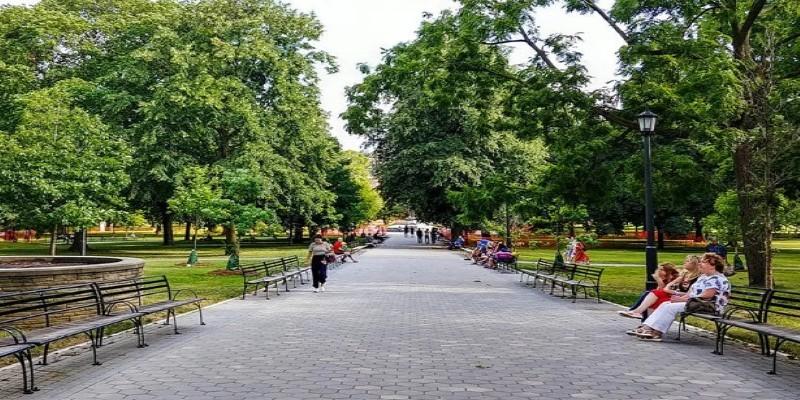
Queen's Park gives a welcome pause after a busy morning. It sits right across from the museum, so reaching it takes only a few minutes. Around noon, the lawn fills with office staff eating outside, then thins out almost at once. That shift leaves a comfortable pocket of quiet for anyone on a solo trip. It feels like a good moment to sit, review the rest of the day, or simply take a break from crowded streets. Food spots in the area vary a lot in price and pace. Quicker counters handle lunch pressure best. Line 1 runs nearby, though delays happen often enough to plan a little extra time.
Afternoon Streetcar Ride West To Queen Street
Queen Street West reflects everyday Toronto more than headline attractions. Streetcars run often but bunch together, a common frustration. Apps show arrival times, though gaps still happen. Riding west mid-afternoon avoids retail crowds. Many shops open late and close early on weekdays, something first-time visitors find limiting. Walking between Ossington and Spadina feels manageable alone. Crosswalk wait times grow longer here, especially near busy intersections. Weather changes foot traffic sharply; rain clears sidewalks fast. That can work in your favor if plans stay flexible.
Evening In A Local Park Or Neighborhood Café
End the trip with something simple. Trinity Bellwoods Park suits warmer months, offering space to sit and watch daily routines unfold. In colder seasons, a nearby café provides shelter without pressure to rush. Evening transit stays reliable, though weekend service changes appear often and with little notice. Checking alerts avoids confusion. Packing the night before helps; early departures from Union Station draw heavy crowds. Leaving Toronto feels easier after 2 days paced with intention rather than urgency.
Conclusion
2 days alone in Toronto offer clarity, not completion. This plan works by accepting limits and working with them. Transit delays happen. Weather shifts plans. Lines grow at odd hours. Small buffers keep stress low. The city rewards attention to timing more than box-checking. Early starts, mid-afternoon movement, and calm evenings suit solo travel here. After this visit, future trips feel easier. Distances make sense. Neighborhoods connect. Toronto becomes readable, and that confidence lasts well beyond departure.