
Health Effects of Sleeping with Socks On
Sleeping with socks can influence body temperature control, circulation patterns, and foot skin condition during rest, with both benefits and practical risks to consider

Can People with Epilepsy Drive Safely Under Current Regulations
Driving with epilepsy depends on seizure control, medical review, and regional law. This guide explains safety standards, licensing rules, and clinical considerations
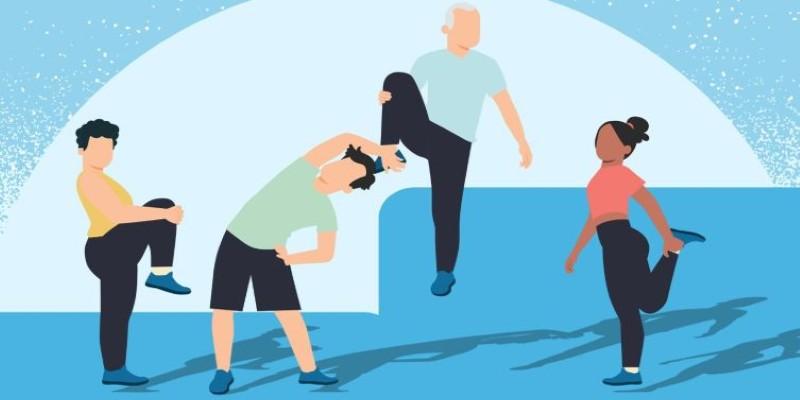
Light Physical Activity and Long Term Survival in Chronic Disease Management
Light physical activity shows measurable links to longer survival in chronic disease care, supported by clinical observations, safety considerations, and realistic integration into daily treatment routines
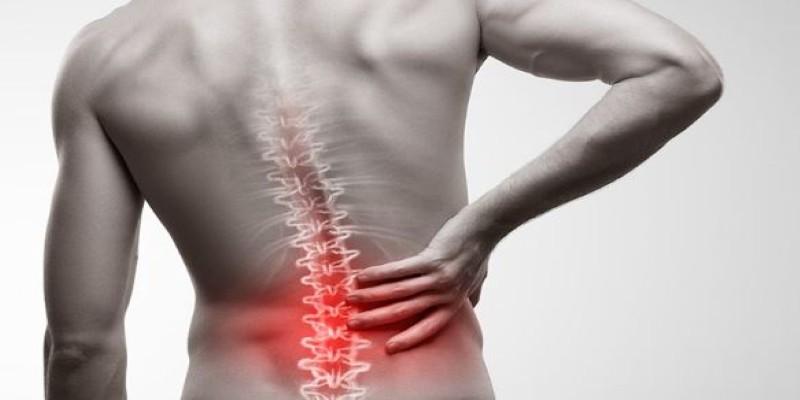
Back Pain and Ordinary Activity: Triggers, Symptom Flares, and Recovery Realities
An in depth examination of how routine movements contribute to back pain, flare patterns, and realistic recovery pathways observed in clinical and home care settings

Preventing Botulism and Foodborne Illness Through Safe Food Handling Practices
Practical medical context underpins this overview of preventing botulism and other foodborne illnesses through food handling standards, preservation practices, clinical awareness, and coordinated public health systems

Why Short-Term Wellness and Long-Term Health Are Not the Same
This article examines how short-term wellness differs from long-term health, using real clinical settings to show how immediate relief and sustained care serve separate medical roles
How Lifestyle Choices Influence Immune Resilience
Learn how lifestyle choices for immune resilience—sleep, stress, food, training, and alcohol—can cut frequent colds and when to seek care today.

Why Sustainable Health Requires Patience
Sustainable health requires patience: learn why scales stall, how habits beat quick fixes, and how to track 2–4 week trends for lasting results.

How Movement Supports Overall Body Function
Feel stiff and foggy at work? Learn how easy movement breaks—2-minute walks, breaths, and anchors for energy, digestion, and sleep—reset your body fast.
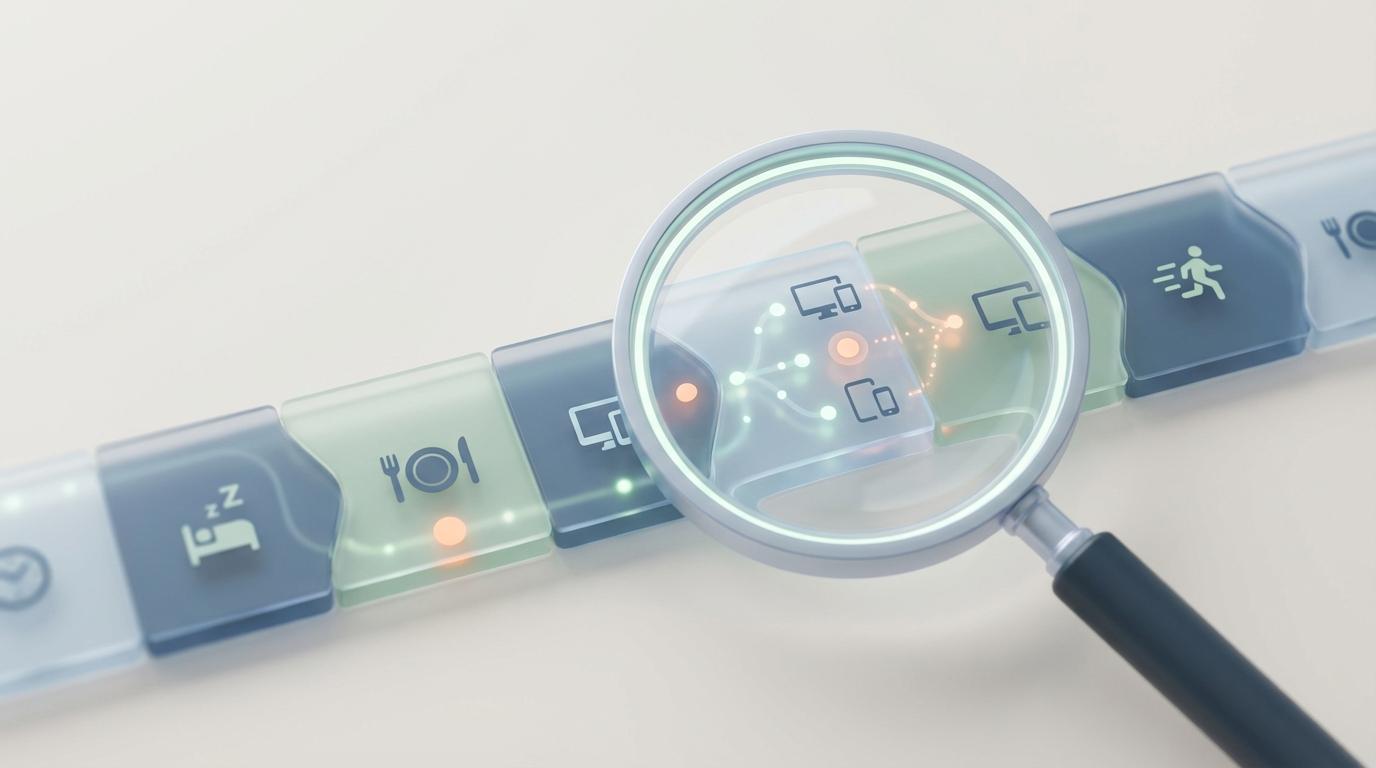
The Impact of Daily Routines on Metabolic Health
See how daily routines for metabolic health affect cravings and labs. Use a 24-hour replay, protect sleep, eat lunch earlier, and move more.