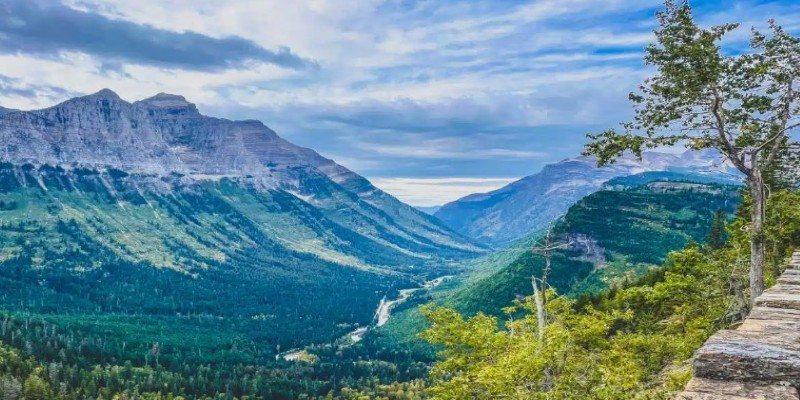
Ten days in New Zealand demand clear choices. Distances look short, yet time slips on narrow roads. Weather resets plans without warning, and bookings fill early during peak months. This itinerary reflects conditions seen daily by agents, drivers, and lodge staff. It favors pacing over rushing and accepts delays as part of the route. Glaciers, caves, lakes, and small cities appear close on maps, though logistics decide success. Each day below explains practical decisions, tradeoffs, and limits, written for travelers planning one focused journey rather than a highlight reel. Realistic timing and patience shape the experience more than ambition alone.
New Zealand 10 Day Adventure Itinerary with Glaciers, Caves, and Lakes
Day 1: Arrival in Auckland and Ground Logistics
Most long haul flights reach Auckland early morning, creating a familiar timing gap. Hotel rooms rarely open before midafternoon, and fatigue builds fast. Luggage storage near transit hubs solves mobility issues. Rental vehicles cost more here, driven by urban demand and weekend turnover. Traffic slows exits from the city, especially on Fridays. Many travelers plan long drives immediately and regret it. Short harbor walks, grocery stops, and a basic meal reset energy levels. Early sleep matters, since rural roads ahead require alert driving and steady focus.
Day 2: Drive to Rotorua and Geothermal Planning
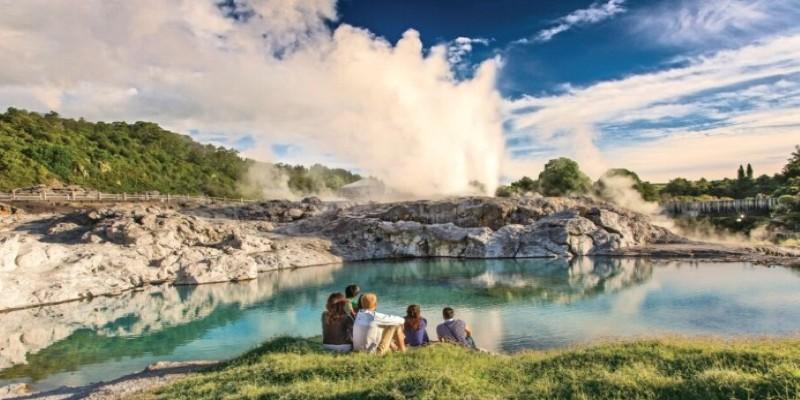
The drive south looks simple, though rest stops remain limited. Fuel planning avoids last minute detours. Rotorua geothermal parks operate on timed entry systems, especially during school breaks. Steam conditions shift after rain, changing visibility. Midday arrivals face crowds and shorter visit windows. Staying nearby allows early access before tour buses arrive. Sulfur odor clings to clothing, so laundry access helps. Evening performances book out fast, and late arrivals face reduced seating comfort and rushed schedules.
Day 3: Rotorua Cultural Stops and Thermal Sites
Day three slows the pace while adding depth. Rotorua’s cultural centers and thermal parks work best together, not rushed apart. Entry caps protect the ground, so summer tickets vanish early. Guides often redirect walks as steam vents shift, trimming routes without warning. Early visits feel calmer and cooler underfoot. Heat builds by afternoon, draining energy faster than expected. Nearby cafes shut mid-afternoon, which surprises many. Staff briefings help keep plans realistic when access changes.
Day 4: Waitomo Caves and Glowworm Tour Timing
Glowworm caves operate under strict conservation rules. Group sizes stay small, which caps availability. Morning tours provide calmer conditions before river levels rise. Footpaths remain damp year round, making footwear choices important. Photography stays restricted, a frequent frustration explained carefully by guides. Weather warnings trigger cancellations, with rebooking queues growing fast. Fuel stations close early nearby, catching drivers off guard. Booking ahead and arriving early reduces pressure and keeps the day running smoothly.
Day 5: Domestic Flight to Queenstown
Flights between islands appear frequent, yet weather disruptions occur often. Midday departures leave space for rebooking if delays hit. Airlines handle schedule changes quickly, though checked bags may arrive later. Carrying essentials prevents stress. Queenstown Airport features a steep approach, unsettling some passengers. Seats near the wing feel steadier. Rental vehicle shortages peak during winter and holiday periods. Reservations made months ahead of time avoid forced upgrades or long counter waits entirely.
Day 6: Milford Sound Day Trip Constraints
Milford Sound draws heavy traffic, funneled through a single road. Bus convoys depart early, filling parking areas by late morning. Independent drivers gain flexibility yet face long hours behind the wheel. Rain increases waterfall activity, though clouds hide peaks. Cruises operate in most conditions, though deck access closes during strong winds. Motion sickness medication helps on rough water days. Overnight stays nearby ease pressure, though lodging options remain limited and expensive.
Day 7: Wanaka as a Recovery Base
Wanaka serves as a reset point. Laundry facilities, extended cafe hours, and lakeside paths support recovery. Tight itineraries often skip rest days, leading to driver fatigue later. Trail access changes after storms, with closures posted daily. Visitor centers provide current updates. Scenic flights depend on clear weather, and cancellation terms vary widely. Reading policies closely prevents disputes. Slower pacing here improves safety and enjoyment for the following long drives.
Day 8: West Coast Drive to Franz Josef
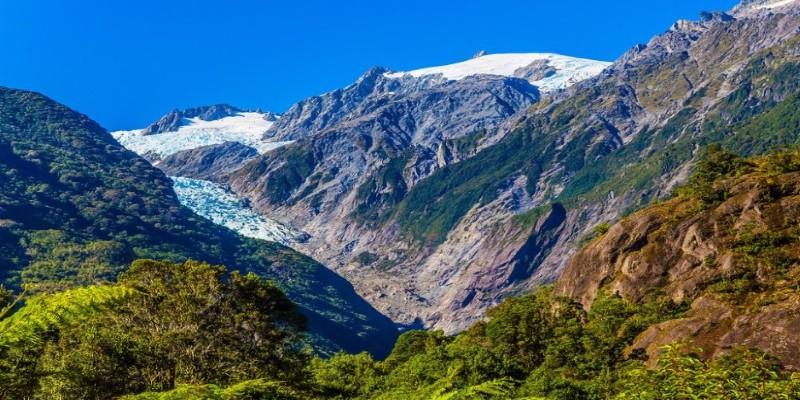
The West Coast drive demands patience. Roads narrow, weather shifts fast, and fuel stops spread far apart. Rain increases landslide risk, causing sudden closures. Glacier towns operate on seasonal staffing, limiting dining options midweek. Early arrivals secure better parking and quieter walks. Humidity slows clothing drying, making spare layers useful. Many travelers expect close glacier access on foot, though routes change often. Clear guidance before arrival reduces disappointment.
Day 9: Glacier Access and Weather Contingencies
Glacier plans change fast. Ice shifts week to week, closing routes without notice. Guided walks adapt daily and may switch to helicopter access, which raises costs and shortens time on ice. Heavy rain closes tracks quickly, sometimes for several days. Nearby rainforest walks offer a backup, though mud and slick roots slow progress. Briefings from local staff set limits clearly. Loose schedules here save days and reduce risk during peak travel periods each season overall.
Day 10: Lake Tekapo and Return to Christchurch
The final drive crosses open terrain with strong wind exposure. Smaller vehicles feel gusts sharply. Lake Tekapo draws night sky visitors, yet cloud cover often cancels sessions. Flexible passes reduce losses. Evening temperatures drop even in summer, catching many unprepared. Thermal pools fill after sunset, leaving daytime quieter. Fuel planning matters before Christchurch. Larger airport operations simplify returns, though the shift from remote roads feels abrupt.
Conclusion
Ten days across New Zealand reward preparation more than speed. Weather, distance, and capacity limits shape every choice. This route accepts those realities and builds space around them. Booking buffers, modest daily goals, and honest expectations reduce stress. The mix of glaciers, caves, lakes, and towns reflects conditions faced on the ground. Moments between stops, quiet roads, and conversations in small lodges deliver lasting value. Patience and flexibility turn a demanding schedule into a grounded, memorable journey.