Kyoto tends to arrive in family conversations with a mix of curiosity and doubt. Temples sound quiet. Trains sound complicated. Meals sound unfamiliar. Those reactions make sense. Kyoto runs on routines shaped for locals and long-term visitors, not families passing through with strollers and snack breaks. Still, the city works for kids when days are paced carefully, and expectations stay grounded. The reward comes through small moments, feeding koi fish, riding a local bus, and sitting under maple trees near a playground. This guide looks at Kyoto as it operates on a daily basis and explains where families tend to run into friction, then offers ways to move around it.
Getting Around Kyoto with Children
Kyoto’s transport network covers the city well, yet it requires patience. Subways run east to west and north to south through central areas, while buses handle most temple routes. Families often underestimate the walking involved between stops and entrances. Ten minutes on a map can turn into twenty with small legs and summer heat. Staying near Kyoto Station, Kawaramachi, or Karasuma reduces transfers and shortens walks.
IC cards, such as ICOCA, solve ticket confusion. One tap covers subways, buses, and convenience store purchases. Parents juggling bags benefit from not stopping at machines. Buses remain the trickiest element. Boarding happens from the rear, payment at the front, and strollers must fold during busy hours. Morning rush between 7:30 and 9:00 and afternoon school dismissal around 4:00 bring packed vehicles. Skipping one bus and waiting for the next often saves stress.
Stations vary in accessibility. Newer subway lines include elevators; older stations rely on stairs. Compact folding strollers work best. Larger models struggle at ticket gates and narrow sidewalks near Gion. Taxis fill gaps well. Short rides stay affordable, drivers know landmarks, yet car seats are rare. Many families accept slow city speeds for short hops during nap hours.
Places That Hold Kids’ Attention
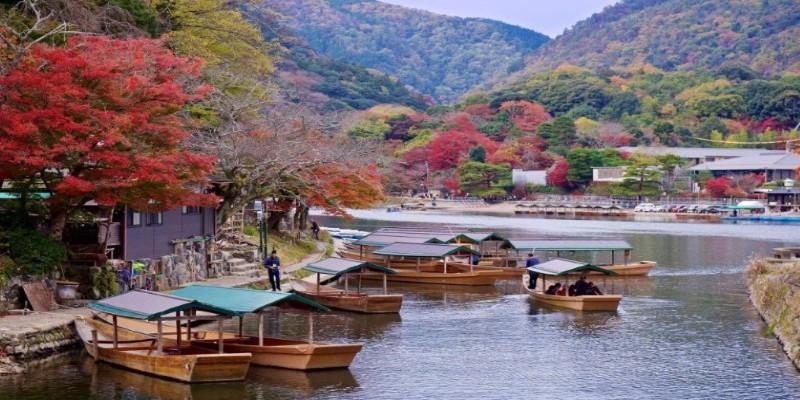
Kyoto rewards movement and open space more than long explanations. Arashiyama works well early. Bamboo groves feel calm before tour groups arrive. The walk stays flat, then shifts uphill toward Iwatayama Monkey Park. The climb uses energy quickly. Monkeys roam freely at the top, staff enforces distance rules, and feeding happens indoors. Late morning crowds thicken fast, so arrival before 8:30 helps.
Kyoto Railway Museum solves rainy day planning issues. Large halls allow kids to move freely while parents absorb details. Hands-on areas keep attention longer than expected. Lockers near the entrance reduce bag overload. Entry lines grow during Japanese school holidays in late March, early May, and mid-August. Pairing the visit with Umekoji Park next door allows outdoor breaks without relocating.
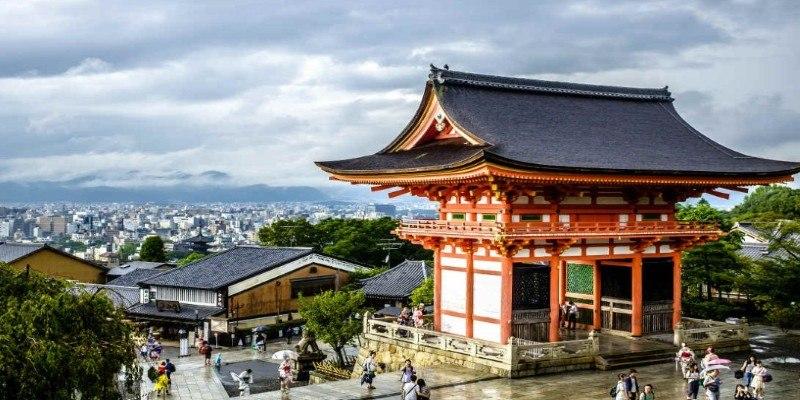
Temple visits require selection. Fushimi Inari works better than many since the path encourages walking rather than standing still. Short loops feel complete without reaching the summit. Kiyomizu-dera brings steep slopes and steps. Summer visits demand water breaks. Shade disappears quickly mid-day. Smaller temples in residential areas often provide quieter moments without entrance lines.
Aquariums and zoos appear less central. Kyoto Aquarium offers climate-controlled relief and stroller access. Travel time adds up, so pairing it with nearby sights matters. Children tend to remember motion, animals, and space rather than architectural detail.
Food, Rest, and Daily Logistics
Dining in Kyoto follows rhythms unfamiliar to many families. Seating stays compact, turnover moves slowly, and menus focus on set meals. High chairs appear inconsistently. Department store basements solve several problems at once. Takashimaya and Daimaru food floors provide prepared meals, seating nearby, clean restrooms, and family facilities. Lunch bought there works well for park picnics or hotel rooms during rest hours.
Restaurants near stations adapt more easily. Conveyor belt sushi offers quick ordering and visual choice, reducing tension around unfamiliar dishes. Ramen shops move fast but often limit seating. Early dinners around 5:00 or 5:30 avoid lines and crowded rooms. Rest breaks shape the day more than sightseeing lists. Kyoto’s climate swings sharply. Summers bring humidity and afternoon storms. Winters feel damp and cold, even without snow. Indoor pauses matter. Department store children’s floors, small libraries, and cafes with bench seating provide resets.
Parks appear throughout the city. Maruyama Park offers open lawns near shrines, useful for quiet breaks without tickets or time pressure. Restrooms remain clean but sometimes hidden. Station facilities handle traffic best. Public trash bins remain rare. Carrying a small bag for wrappers prevents frustration.
Where Families Run Into Trouble and How to Plan Around It?
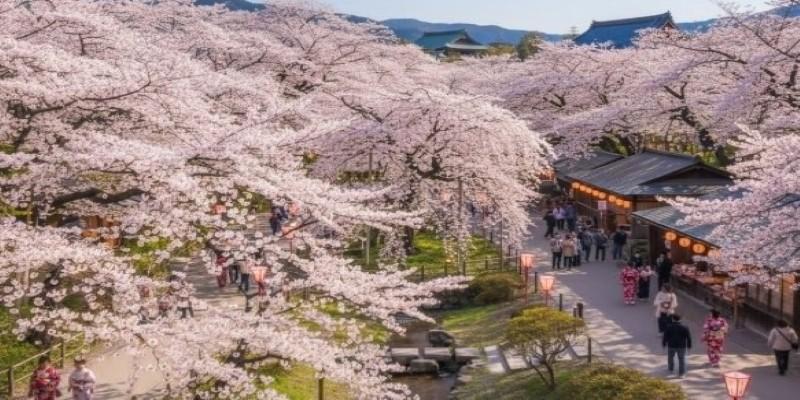
Timing creates the largest strain. Cherry blossom weeks in late March and early April push room rates upward quickly. Autumn foliage season in November creates similar pressure. Families booking late face limited room layouts, and twin beds disappear first. Early reservations help. Cancellation policies vary. Many hotels allow free cancellation until five to seven days before arrival. Watching rates pays off.
Communication gaps appear at smaller lodgings. English support varies. Check-in times stay strict. Arriving early with tired children creates tension. Luggage forwarding services ease that issue. Bags sent ahead from the airport or previous hotel free families for sightseeing while rooms turn over. Delivery usually completes by the next day.
Transportation bottlenecks show up around popular bus routes. Lines build near midday at major sights. Walking ten minutes to a quieter stop often saves time. Digital maps show bus locations, but updates lag during festivals. Paper maps from tourist centers mark stroller-friendly paths clearly and note slopes.
Souvenir shopping near temples tempts impulse buys. Fragile items add baggage risk. Department stores offer shipping services. Staff handles paperwork carefully. Shipping purchases home prevents breakage and reduces suitcase weight. Daily pacing matters. Fewer stops keep moods steady. Kyoto rewards lingering. Children remember feeding koi, rolling down grassy slopes, and riding trains more than ticking landmarks.
Conclusion
Kyoto asks families to slow down and adjust daily plans as conditions change. That approach runs against checklist habits. With flexible timing, realistic distances, and frequent pauses, the city opens up. Small logistical choices shape the experience more than headline attractions. Parents feel less rushed. Kids stay curious longer. Kyoto becomes a shared place rather than a schedule to survive.