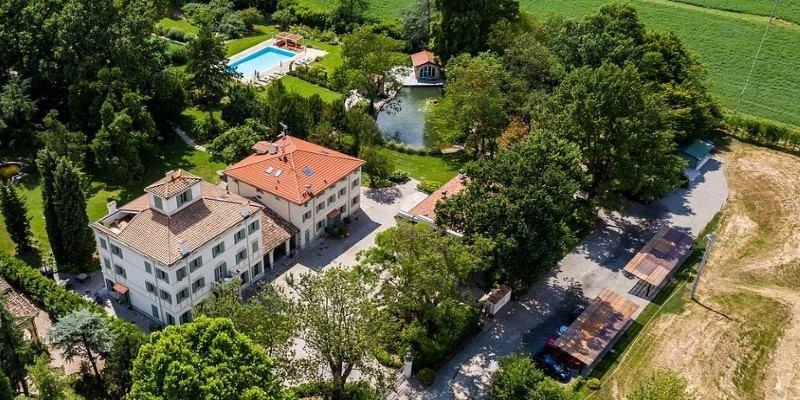
Casa Maria Luigia sits just outside Modena, close enough to reach quickly and far enough to feel removed. A weekend here does not behave like a hotel stay or a countryside rental. The house runs on a steady rhythm that shapes arrival, meals, and departure. Bookings often revolve around dining dates, which affects availability and travel planning months in advance. Timing, transport, and expectations matter more than amenities. This piece walks through a typical weekend, shaped by real guest behavior and operational realities. It reflects repeated stays, seasonal differences, and the small details that define the experience.
Arrival and the First Evening
Arrival patterns remain predictable. Most guests land in Modena by mid afternoon, often by train from Milan or Bologna. That final stretch to the house causes the first challenge. Taxis are limited, especially on Sundays and during regional events. Guests relying on spontaneous pickup sometimes wait longer than expected. Prearranged transport removes that stress, yet many underestimate the need. Staff anticipates staggered arrivals and keeps the process informal. There is no front desk ritual. Bags are taken quietly, and rooms are assigned once guests settle.
The first evening sets the tone for the stay. There is no rigid itinerary beyond dinner timing. That freedom feels calming for some travelers and unsettling for others. Guests used to concierge led hotels may feel unsure about next steps. Communication beforehand solves most of this. Couples celebrating milestones often expect surprises. Those moments land better when shared early, since the house does not operate with excess inventory or last minute add ons.
Dinner on the first night comes after a day of travel, so pacing matters. Guests arriving late risk feeling rushed. The kitchen runs on preparation cycles that leave little room for delays. Early arrival allows time to settle into shared spaces, walk the grounds, and shift out of transit mode. Evenings end early for most. Travel fatigue combines with the quiet environment. That early night helps reset the body clock, especially for travelers crossing time zones.
Rooms, Shared Spaces, and Daily Pace
Rooms feel personal rather than standardized. Ceiling heights shift from one space to another, light behaves differently across the day, and views range from gardens to quiet corners of the property. Guests returning for a second visit often ask for the same room again, usually tied to early sunlight or a sense of privacy. These requests matter most in spring and autumn, when bookings stay tight. Summer brings a bit more flexibility, driven by heat and slower regional demand. Storage stays limited, which subtly discourages overpacking. A single carry-on feels just right for a weekend.
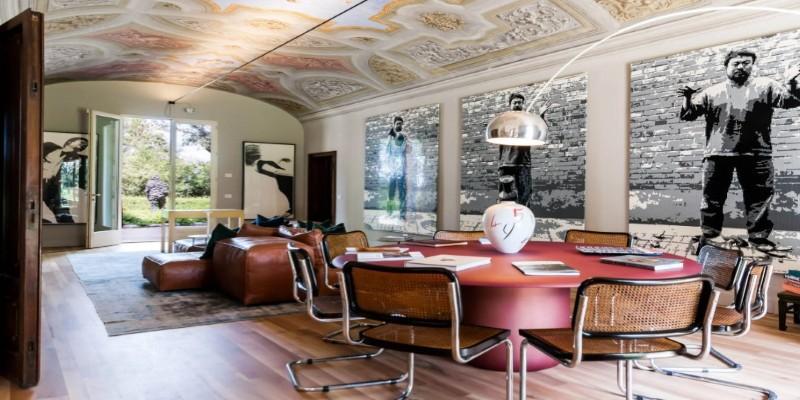
The house itself carries more weight than the rooms. Breakfast unfolds slowly at a shared table, without music or urgency. Seating changes each morning, which gently reshapes conversation. Some guests arrive expecting solitude and need a moment to adjust. Others settle in quickly and linger longer than planned, pushing back morning timelines. Staff notices these dynamics and responds quietly, offering space or engagement without making it obvious.
Afternoons come without structure. No tours. No posted plans. That freedom works well for travelers comfortable filling time on their own. Those used to scheduled experiences may feel uncertain at first. Trips into Modena need careful timing, since evening transport thins out, especially midweek.
The overall pace favors attention over output. Remote work rarely fits here. Internet access exists, yet the layout nudges devices aside. That balance suits guests seeking a pause, though it challenges anyone expecting adaptability on demand.
Dining as the Weekend Anchor
Dining anchors the entire weekend. Many room bookings exist primarily due to restaurant availability. That link affects cancellation behavior and length of stay. Guests rarely shorten trips, since leaving early disrupts the meal experience. This alignment stabilizes occupancy and reduces last minute changes, which benefits operational planning.
Meals stretch over several hours. Light lunches work best. Guests overindulging earlier often lose energy halfway through dinner. The dining room feels intimate, with close seating and shared acoustics. Conversations travel easily. Travelers expecting hushed fine dining sometimes need adjustment. The atmosphere leans conversational rather than ceremonial.
Staff explain courses with context, which helps guests unfamiliar with regional references or techniques. Dietary needs require early notice. Substitutions rely on preparation rather than improvisation. Last minute requests strain the system and may limit options. Transparency ahead of time leads to better outcomes.
Beverage pacing matters. Guests unused to long meals sometimes feel overwhelmed. The staff guides gently, yet self awareness helps. The experience rewards patience and curiosity more than endurance. For industry professionals, this model shows how integrated dining reduces uncertainty while limiting flexibility. It works best for travelers comfortable with a defined framework.
Planning the Weekend Without Friction
Most of the rough edges disappear once plans are set early. Transportation causes the most trouble. Taxis around Modena thin out fast on weekends, and relying on last minute pickup often leads to waiting. Guests arranging cars ahead arrive calmer and settle in faster. Timing expectations come next. Late checkout feels natural after a long dinner, yet breakfast ends on schedule, and departures follow soon after. The house favors a clean close to the weekend rather than a slow fade.
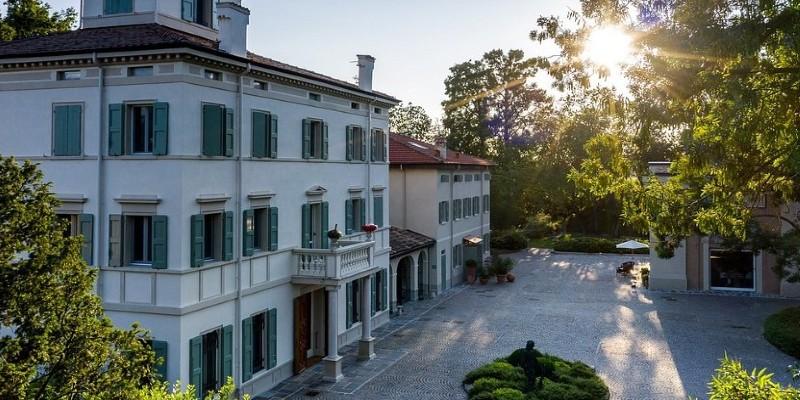
Seasonality shapes access more than cost. Spring and autumn book out early, driven by regional events and harvest schedules. Summer stays quieter, partly from the heat and partly from travel habits shifting elsewhere. Winter visits feel personal and hushed, though availability narrows. Advisors explaining these patterns early help avoid disappointment tied to sold out dates.
Communication matters most before arrival. Requests shared in advance receive real consideration. Changes raised on site face limits tied to staffing and prep timelines. Flexibility exists, just not instantly. This place works best for travelers comfortable with a defined structure. It is not a hotel, retreat, or gallery. Think of a private house with doors briefly open. Planning around that idea keeps the weekend smooth and grounded.
Conclusion
Departure arrives quietly. Breakfast wraps without announcement. Bags return, and cars arrive on time when booked early. Guests often pause at the gate before leaving. The weekend lingers as a feeling rather than a checklist. For travel professionals, Casa Maria Luigia demonstrates how structure can shape satisfaction. It rewards preparation, patience, and clear communication. That balance defines its appeal long after departure.